Categories
on 17. June 2026

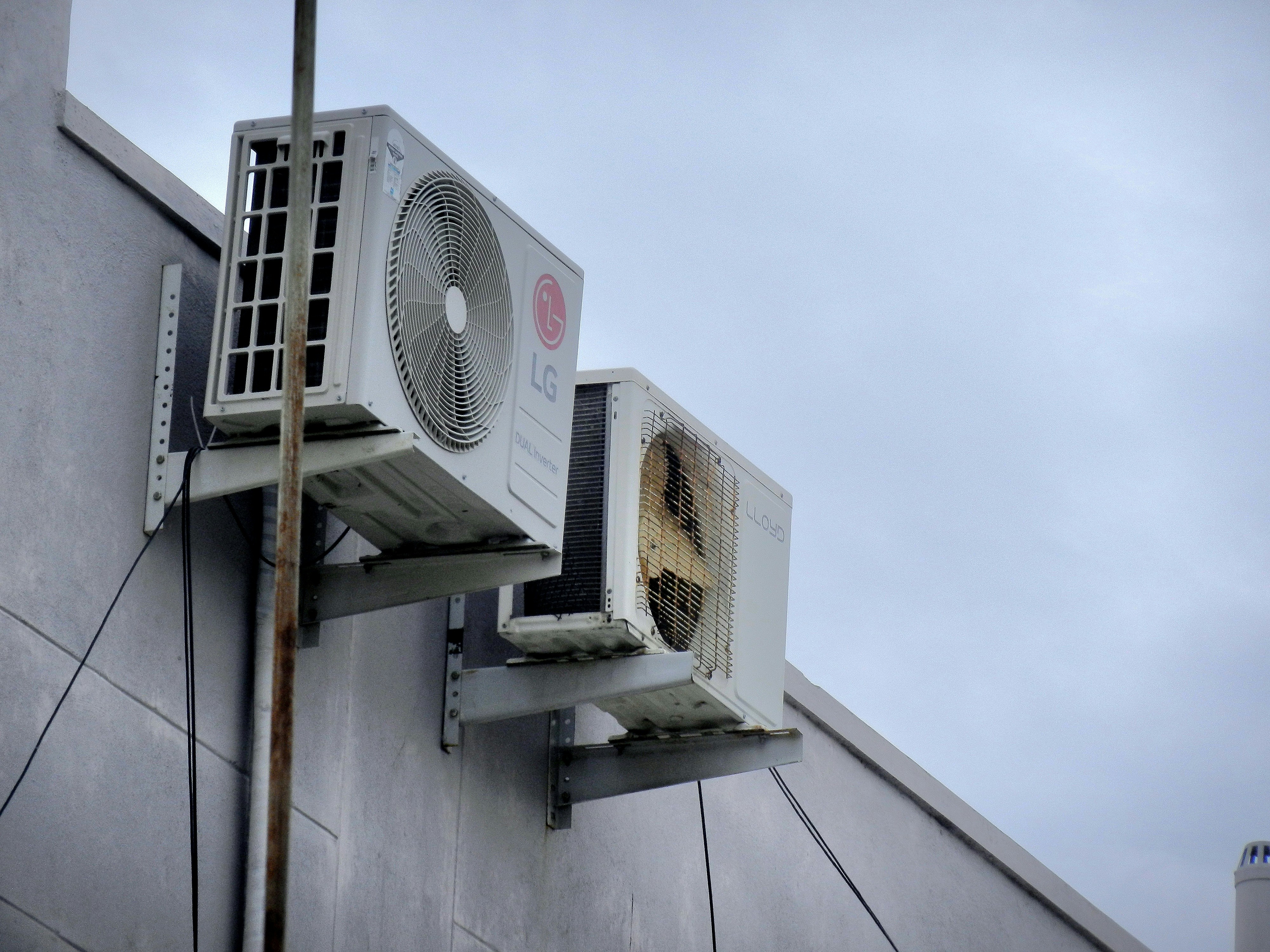
Getting climate control right starts with timing, coordination, and clear scope. Heatwaves and cold snaps can collide with projects, so planning ahead matters. If you’re mapping upgrades, stage resources to secure parts, secure trades, and keep the work flowing. Done well, projects glide from survey to test without drama. Residential examples show it best: a small retrofit hits snags when a return grille is mis-sized, or when duct runs clash with framing. Pad the calendar for inspections, and check lead times on equipment. Fast approvals, accurate loads, and clean handoffs reduce callbacks. For homes and light commercial spaces, a paced schedule conserves budget and sanity. If your plan includes AC installation, slot it just before the first heat spike, and confirm power, permits, and pad location. Tight sequencing keeps dust down, keeps neighbors happy, and locks in the performance you paid for.
Scope smart needs and site details for confident starts
A strong start begins with a thorough scope that fits the building’s age, envelope, and use. Plan a short walk-through, then gather loads, duct conditions, and occupant patterns; HVAC services fit these facts into a simple one-page plan. Note attic access so crews won’t guess on game day. This step prevents rework that chews time and budget.
Use plain-language notes: rooms run hot, returns are small, filter slot is tight, attic is shallow. Mark breaker size before anyone orders gear. For a 1960s ranch, you might resize a trunk line and shift a supply to kill a stubborn hotspot. You’ll thank yourself when the checklist makes bidding apples-to-apples. Remove surprises, and the calendar stops slipping.
Choose right equipment and duct combos for local conditions
Climate and building envelope drive system choices more than brand stickers. In a humid coastal town, pair a variable-speed air handler with tight duct seams, then spec a drain pan float; HVAC services in a dry mountain area, target altitude-rated equipment and robust filtration. Mismatched components invite noise, short cycling, and higher bills. Balanced components make quiet rooms and steady temps.
Use field measurements to avoid oversizing. Think about return path quality, supply diffuser throw, and insulation R-values. In a small coffee shop, low-profile registers can tame drafts over the counter, while lined duct can cut hiss. Tighten with UL-listed tape so air goes where it should. Small choices stack into big results.
Stage crews and timelines to reduce downtime and rework
Workflows thrive on sequence and clean handoffs. Put design, permitting, demo, rough-in, set, wire, charge, and test on one board; HVAC services give owners a two-sentence update after each phase. Shared visibility turns maybes into done. Consistency matters more than shiny apps.
On a daycare retrofit, schedule noisy work after hours, and pre-stage filters, pads, and line set covers. Buffer crane time to dodge idle crews. When rain threatens, prep tarps and temporary cooling to protect finishes and staff. A five-minute morning huddle saves an hour by lunch. A crisp plan survives surprise gusts.
Verify performance, manage hazards, and validate results before handoff
Testing is how you prove the promise. Measure static pressure, superheat, subcooling, and delta-T; HVAC Services confirm airflow at registers and note readings on the closeout sheet. Photos of instruments beat memory every time. Write it down now, or redo it later.
Risk lives in crawlspaces and in assumptions. Strap lines, pitch drains, and pan the air handler. In a boutique, verify the thermostat location isn’t catching sun from a skylight. Spot-check on a hot afternoon to catch edge failures. Proving under pressure builds trust.
Plan upkeep, optimize lifespan, and monitor performance over years
Performance drifts without care. Set filter schedules, coil cleaning, and belt checks; HVAC services add a seasonal five-minute test of thermostat programs. Tiny rituals beat big fixes. Maintenance today dodges breakdowns tomorrow.
For a small office, set calendar nudges for quarterly checks and a spring tune. Keep a one-page log of readings to spot trends before comfort slips. If winter brings dryness, plan humidification checks; if pollen spikes, plan extra filter changes. Data makes decisions easy. Systems that are cared for last longer and cost less.
Conclusion From scope to materials, from workflow to verification, the path is clear: plan, pair, and prove. Each phase reinforces the next, so delays shrink and comfort grows. With disciplined scheduling, tested performance, and practical upkeep, buildings stay steady through heatwaves and cold snaps. Start early, stay organized, and your project will feel easy.
Topics:
hvac services