Categories
on 18. June 2026
Desert heat punishes sloppy work, so our focus is risk‑aware planning, clear milestones, and measurable results from day one. We map rooms, loads, and budget tiers with field notes, then set expectations for filtration and comfort zones that hold up in August. With a clear plan, you avoid scope creep and callbacks. We use the term HVAC once and keep it practical: think carefully matched equipment, tight ducts, and controls that fit your lifestyle. You’ll see what matters most and why it matters now. Real examples—from a sun‑blasted ranch to a small clinic—show how filter choices change outcomes. Step by step, we reduce risk while boosting comfort. The goal is simple: safe installs, predictable bills, and performance that survives dust, heat, and monsoon swings.
Early project mapping guides scope and aligns expectations with constraints
Good results start with a quick discovery, a load check, and room‑by‑room notes on insulation and noise sensitivities. We confirm timelines and deliverables with your decision‑makers HVAC before we lock a working scope and sequencing plan. When everyone sees the same plan, fewer things can go sideways. We note attic access, breaker capacity, roof clearances, and return locations, then outline comfort targets. If the thermostat sits in a hot hallway, we relocate it. Schedules reflect childcare naps, store hours, and HOA rules, so the site stays calm and productive.
We document the must‑haves so nothing gets missed. A clinic may need quiet mornings; a home office may demand low fan noise. By logging those limits, crews move faster and safer. We assign checkpoints for duct sealing and refrigerant testing, then share who signs off each step. When roles are crystal clear, you get clean handoffs.
Selecting equipment and filtration tailored to harsh desert conditions
Materials must match the climate, not catalogs, so we weigh coil coatings, UV exposure, and filter MERV against blower capacity. For homes that battle dust storms and pets, we often pair deep media filtration with sealed returns HVAC so the cabinet stays clean and serviceable. Cleaner cabinets mean steadier airflow and better indoor health. In a light commercial retrofit, we might specify coated fins, hail guards, and curb adapters that fit existing roof pitches. Practical choices beat expensive gadgets every day.
High SEER fails without tight ducts and correct charge. We compare heat‑load peaks, insulation levels, and window gain, then balance capacity to cut short cycling. In older houses, a small two‑stage unit can be magic. For families with allergies, we add a quiet return path and mastic joints to limit dust. When components align, comfort follows.
 Coordinating install phases and trade schedules without disrupting daily routines
We sequence work in bite‑size blocks: demo, line‑set routing, set equipment, wire, start up, and verify. For a home with toddlers, we plan loud tasks during park time and schedule clean indoor steps in the afternoon HVAC so naps stay undisturbed. That small courtesy keeps stress down and momentum up. In a boutique retail space, we swap rooftop units at dawn, then finish controls before doors open. Tight windows, clean floors, and labeled tools reduce friction.
Communication beats guesswork every time. We post a one‑page plan with who is onsite, tasks due, and safety notes. If the electrician slips a day, we adjust calmly. We also stage parts by room with color tags, so thermostats land in the right place. Simple visuals cut errors the way checklists cut stress.
Verifying performance, reducing risk, and tracking results you can trust
Quality isn’t a vibe; it’s numbers on a page and photos that prove them. We record static pressure, superheat, subcooling, and airflow at key registers HVAC so you see baselines and final values. Numbers tell the truth faster than gut feel. In one ranch remodel, a high return velocity flagged a hidden restriction; trimming a too‑tight boot fixed whistling and boosted CFM. Finding the root cause beats masking symptoms.

Make testing a habit, and risk shrinks fast. We run wet‑switch tests at drain pans, confirm float behavior, and photograph sealed joints with job tags. If readings drift, we pause and correct in the moment. For warranty clarity, we log model and serials plus final charge amounts and filter sizes. Clear records protect you years later.
Long‑term upkeep, annual tune‑ups, and owner routines for lasting value
Care starts with simple routines: swap filters on schedule, rinse outdoor coils, and scan drains for algae in monsoon season. We list tasks by month and by skill level, then show where to look first HVAC so small signs don’t turn into big repairs. Preventive steps cost less than emergency calls. A homeowner can check insulation on suction lines; a store manager can listen for bearing squeal at open and close. Ten minutes a month outperforms guesswork.
When in doubt, schedule a light checkup before peak heat. One stop catches loose lugs, soft starts, and weak capacitors before failure. If you need a deeper visit, book Scottsdale Heating and Cooling Services for coil cleaning and a charge evaluation at the right ambient. Stay ahead, and the system stays calm. We leave you with a one‑page sheet listing filter sizes, breaker labels, and service intervals. Clarity today prevents panic tomorrow.
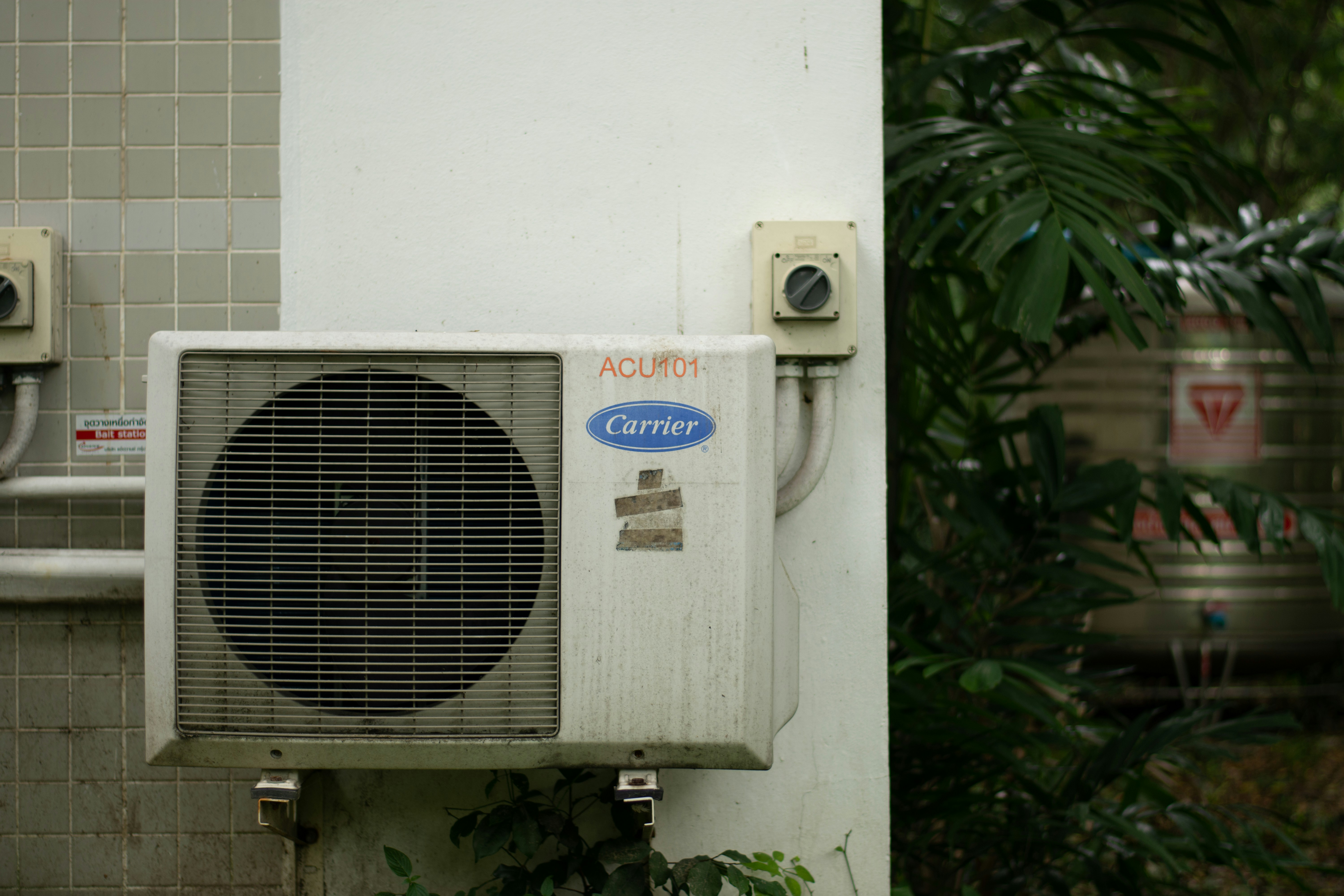 Balancing budget with comfort and choosing the right local partner
Money matters, so we frame choices in clear tiers with real payback windows. A basic seal‑and‑balance tier may fix hot rooms for less than a full equipment swap HVAC while buying time for a future upgrade. Incremental fixes bridge the gap without waste. For long roofs, hail guards and coatings can extend life, delaying capital hits. Spend where risk is highest and returns are fastest.
Pick a partner who shows proof, not puff. Ask for startup sheets, pressure logs, and photos of sealed joints. If they won’t share numbers, keep looking. Look for crews that stage cleanly, label wiring, and protect floors, because that discipline tracks with safe work. Results matter more than talk, every time.
In short, map the work carefully, match materials to the desert, and run a calm schedule that respects daily life. Verify with numbers, then maintain with simple routines and timely tune‑ups. That’s how projects stay on budget and comfort stays steady. When the pieces align, risk drops, bills settle, and rooms feel right all year.
Topics:
hvac