Categories
on 18. June 2026
Staying ahead of HVAC problems takes steady attention, clear choices, and timely action, especially when temperatures swing and systems strain. You want fewer surprises, lower bills, and air that feels right in every room; that means planning, smart parts, and disciplined follow‑through. In busy homes and small offices, tiny issues grow into bigger costs if no one scopes needs, tracks wear, or schedules upkeep. A practical game plan ties symptoms to likely causes and sets priorities, so your comfort keeps pace with daily life. We’ll map out decisions from first call to final test, and show how pros avoid rework with simple checks. You’ll see what matters with refrigerant charge, coil cleanliness, filter ratings, and airflow balance, plus how to time visits to dodge rush premiums. If you need fast help in a heat wave, air conditioning repair peoria can be the right local fit for targeted diagnostics and quick turnaround. You’ll finish with a clear, usable plan that fits your space.
Define practical goals and seasonal needs before service
List what changed—odd noises, rising bills, zones running hot—then sort by impact and safety to shape a visit that counts. Plan a short conversation about symptoms and timing ac repair Peoria and keep notes handy for the tech and for yourself. This keeps guesswork low and speeds the first diagnostic pass, which reduces repeat trips. Add constraints like pets, parking, or access windows, and flag any attic or roof hazards early.
Set a tight scope for checks: filter condition, coil surface, drain line, blower wheel, and thermostat logic. For a split system in a two‑story home, ask for return static pressure, delta‑T across the coil, and a quick duct leak sniff. New homeowners benefit from a labeled photo log to track changes, because records help spot drift before it hurts comfort. Close with a clear decision point: repair now, monitor, or quote replacement.
Select high‑quality parts, filters, and right sizing for efficiency
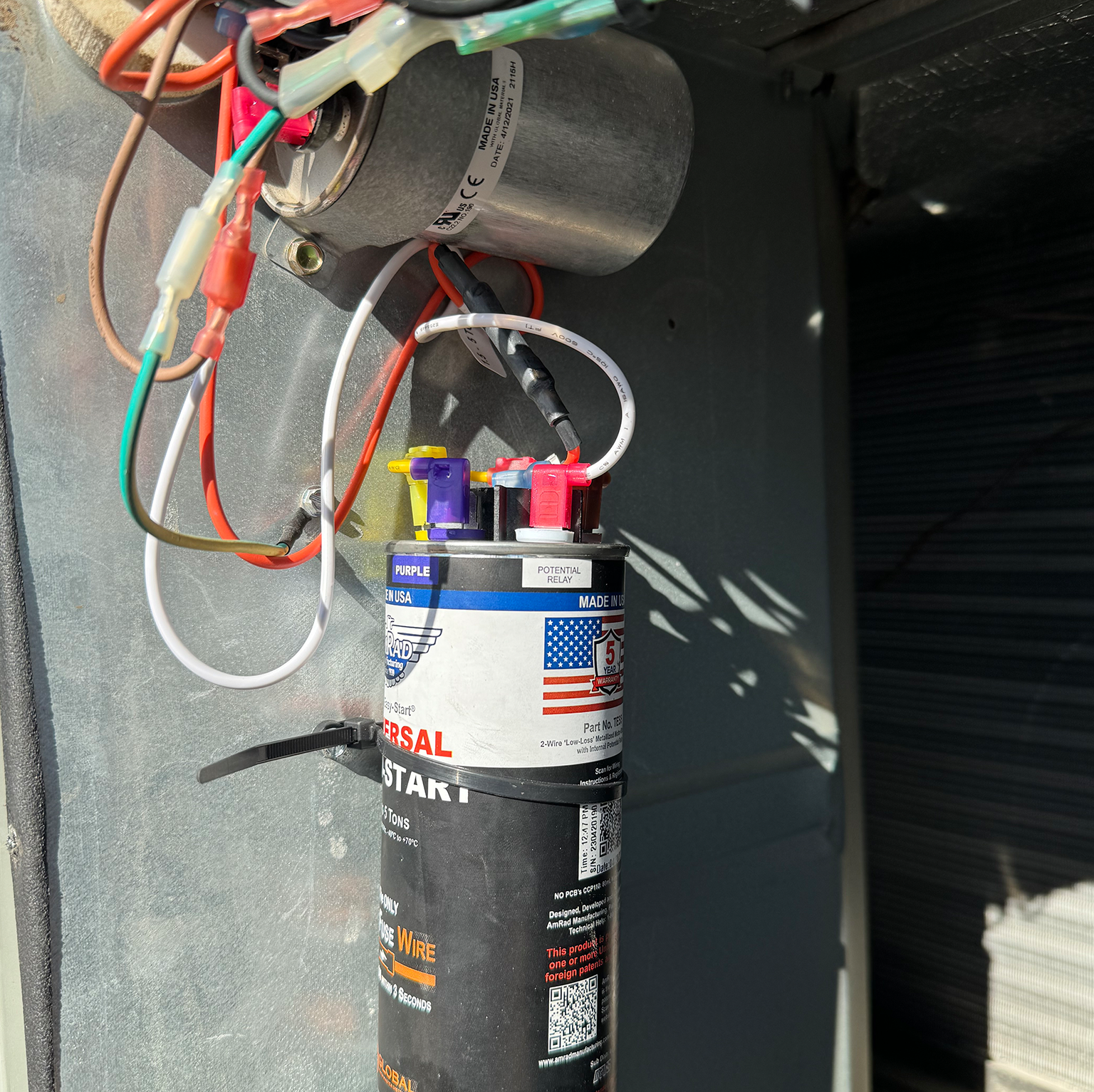
Small choices stack up: a MERV rating that your blower can handle, a contactor that matches amperage, and a capacitor within tight tolerance. Ask the tech to show model numbers ac Repair Peoria then note why each part meets spec for your unit. You’ll sidestep bargain parts that break when heat peaks, saving both time and callbacks. If a coil cleaning is due, pick a cleaner that fits the metal and fin density.
In a light commercial suite, a slightly undersized filter seems fine until dust chokes returns and pressure rises. Choose deep‑pleat media where space allows, and replace on a calendar, not just on appearance. If dander is heavy, rotate filters faster and wipe registers often. Always confirm refrigerant type and weigh the charge; mixing or estimating by "feel" can quietly wreck efficiency.
Coordinate step‑by‑step workflow and flexible scheduling to cut downtime
A smooth visit follows a predictable path: intake, safety lockout, airflow checks, electrical inspection, refrigerant diagnostics, then verification. Share best contact times and backup access details ac repair Peoria so the crew can move without idle gaps. Blocking a two‑hour window beats an all‑day wait, and it lets dispatch pair nearby calls for quicker responses. On hot days, plan earlier slots to avoid attic heat and reduce risk for the team.
In a duplex with shared equipment pads, coordinate with neighbors to clear space and keep pets inside. Have a breaker map ready, plus ladder access if the air handler sits above a ceiling. Text updates with ETAs reduce anxiety and help you prep rooms, trimming minutes at each step. Finish with a signed checklist and photos of readings, so everyone agrees on what got done.
Verify performance and manage surprises with measurable checks
Quality isn’t a guess; it’s readings and repeatable tests that confirm the fix held. Ask for documented delta‑T, static pressure before and after filter change ac repair Peoria and superheat or subcool figures within recommended ranges. Numbers create accountability and confidence, especially when a system is aging or has mixed‑age components. Request notes on any borderline values and what to watch next season.
In a ranch home with old ductwork, a quick smoke test can reveal return leaks pulling attic air. Capture photos of coil fins after cleaning, and record blower wheel condition for trend tracking. If drain safeties trip often, add a float switch and reroute the trap, which prevents ceiling damage. For heat pump owners, confirm defrost logic and backup heat staging before the first cold snap.
Extend system life with routine care and seasonal follow‑ups
Maintenance is cheaper than emergencies when it’s timed and thorough, not rushed. Put filter swaps, coil checks, and drain treatment on a calendar ac repair Peoria then align visits before peak seasons. Spring and fall tune‑ups catch drift early, and they keep parts stocked ahead of rushes. Keep an eye on thermostat firmware and seal around wall penetrations to stop ghost readings.
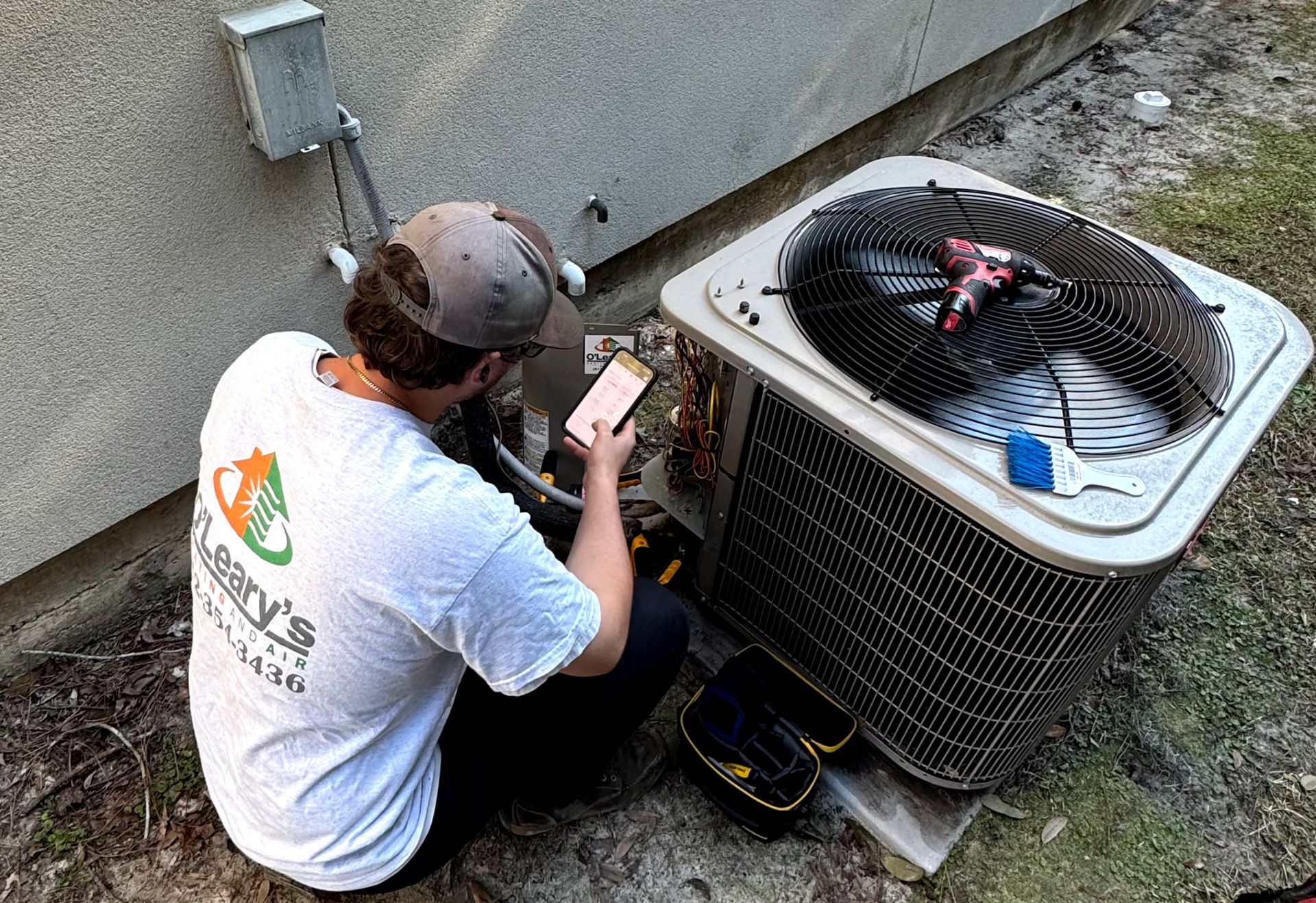
For a townhouse with limited storage, keep two filters on hand and set phone reminders. Wipe supply registers, vacuum returns, and clear debris from the outdoor unit by a full foot. Trim shrubs quarterly and redirect sprinklers to avoid corrosion, preserving airflow and finish. Log energy bills; a steady climb can signal coil fouling or a slow refrigerant leak worth checking.
Conclusion: Good comfort decisions come from steady planning, careful part choices, efficient scheduling, solid measurements, and steady care across the year. When you simplify the steps, you reduce stress and save money, whether you manage a busy household or a small office. Use checklists, photos, and data to guide fixes, and time visits before heat waves and cold snaps. With practical habits and the right pros, your system stays efficient, reliable, and ready for the next season.

Topics:
ac repair peoria