Categories
on 19. June 2026
Finding the right fit for your workspace starts with clear goals, honest timelines, and a plan that respects your daily flow. If your team juggles meetings, focus work, and storage crunch, you need solutions that feel built around people, not the other way around. That’s why many offices compare options, mock up layouts, and test finishes before they commit. With custom made office furniture near me, you can tailor dimensions, cable paths, and ergonomics without guessing. You still need to lock scope, sequence tasks, and keep vendors aligned, or costs creep and dates slip. We’ll map how to scope needs, choose durable materials, schedule installs with minimal downtime, and protect quality under pressure. Along the way, you’ll see examples for small studios, growing startups, and hybrid teams across mixed-use spaces. The aim is simple: cut noise, raise comfort, and deliver a setup that lasts. Use this playbook to avoid costly detours.
Scope smartly for team needs and workflow choices
Every successful office build starts with room-by-room goals, real headcounts, and traffic maps. We often gather quick inputs during a walkthrough using custom office furniture near me for coordination between departments. Map quiet zones, shared benches, and focus rooms so your plan reflects real work. Capture tech loads, screen counts, and peripheral needs before locking desk widths. Document storage types now to prevent overstuffed drawers later.
Translate goals into measurable specs, then build a one-page brief with must-haves, stretch goals, and deal-breakers. Set sign-off points with leaders, and time-box revisions to avoid drift. For example, a five-person design firm chose 60-inch sit-stands, a shared print bay, and lockable sample bins; they stayed on schedule by freezing dimensions early. Lock your scope before you price.
Choose durable materials, accurate finishes, and safe inputs
Materials decide how your space stands up to spills, scratches, and everyday wear. In staff kitchens, go for high-pressure laminate with temperature-resistant edges, and in reception, consider wood veneer with fingerprint-friendly sheens using custom office furniture near me for quick spec checks. Cables stay tidy with cutouts, brush ports, and under-desk trays sized to your power bricks. Chairs should match body types, shift lengths, and adjustability ranges. Pick fabrics rated at least 100,000 double rubs.
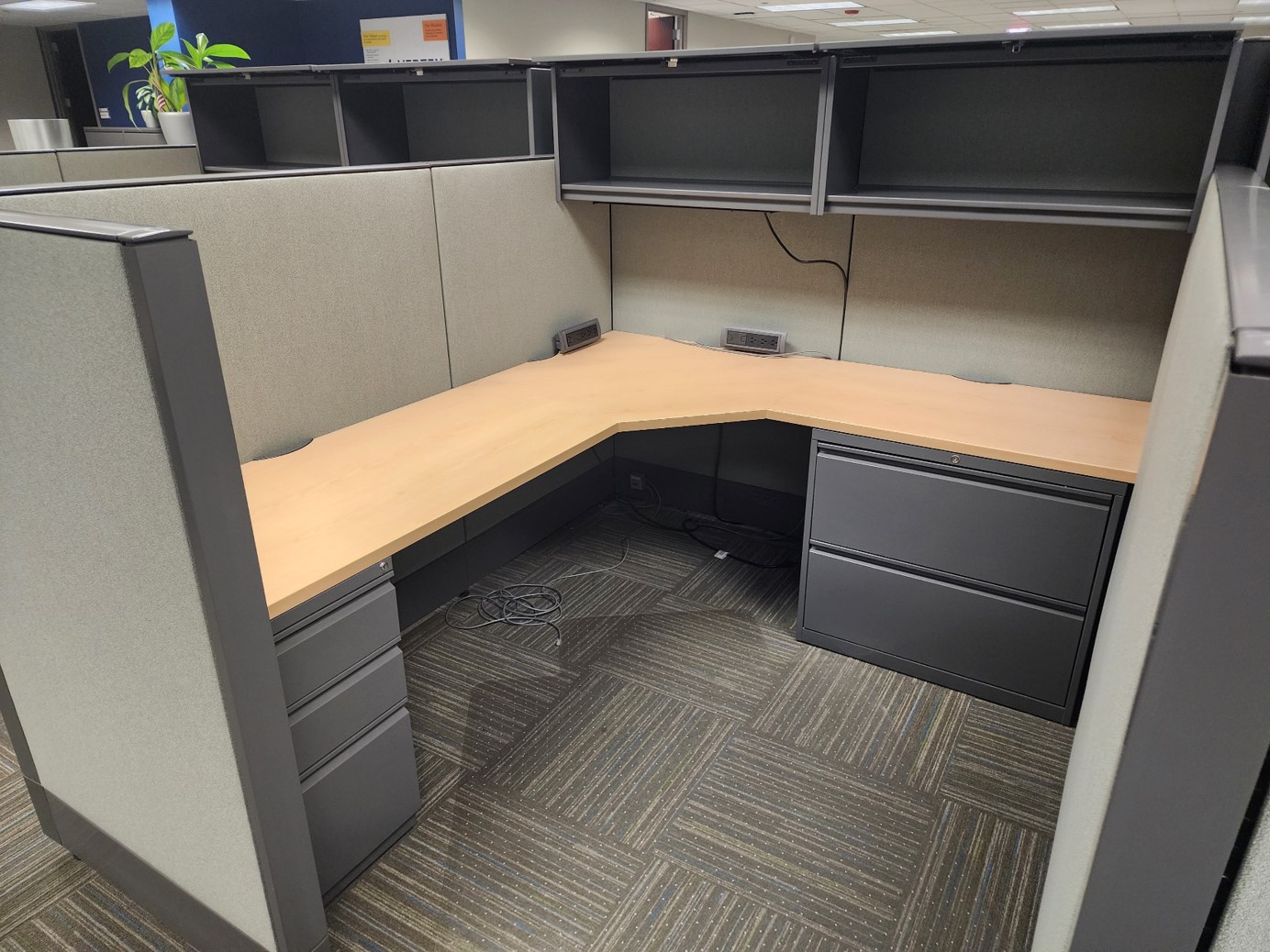
Test samples under your real lights because color shifts with temperature and angle. In a hybrid bullpen, we saw walnut look too dark beneath cool LEDs, so we swapped to ash with a matte topcoat; brightness improved, and eye strain fell. Specify edges—solid wood—to stop chipping on high-use desks. Ask for wipe-test results with coffee, hand sanitizer, and dry-erase ink. Dialed-in inputs save you from costly reorders.
Orchestrate tight workflows and minimal install schedules
Great installs begin upstream with clean drawings, confirmed components, and bagged hardware. Stage deliveries in waves, and book elevators early, then line up IT to land power and data right after benching using custom office furniture near me for day-by-day coordination. For a 20-seat startup, we sequenced conference tables first, then hot desks, then storage; staff worked in a swing space 50 feet away. That phasing kept meetings live while installs moved forward. Good sequencing keeps momentum without chaos.
Create a punch list template before day one, with spots for scratches, wobble, and missing parts. Reserve a buffer day for fixes so handoff doesn’t slip. Crews should carry spare glides, finish markers, and fasteners to solve small issues on the spot. Share a daily status note by 4 p.m.; clear updates beat vague promises. Reliable updates keep everyone aligned.
Guard quality, mitigate risks, and verify fit on site
Quality control starts with shop drawings that match real measurements, not just plans. Before fabrication, confirm column centerlines, wall plumb, and slab flatness using custom office furniture near me for point-by-point notes. In one light commercial lobby, a 3/8-inch out-of-level slab needed taller glides; we caught it during templating and saved a remake. Check door swings versus cabinet pulls so nothing collides. Measure twice, avoid pain later.
For risk, flag long-lead items like special laminates and set alternates with client approval. Photograph packaging on arrival, record IDs, and log damages before moving pallets. Run a functional test: drawers glide, soft-close engages, and power units charge at each station. In a residential office, we found one miswired hub and swapped it before day two; no one missed their laptop charge. Proactive checks beat reactive repairs.
Plan budgets, trade-offs, and lifecycle over the long haul
Budget shaping means ranking must-haves over extras while guarding durability. Put money into sit-stand frames, work surfaces, and task chairs, then value-engineer low-touch storage using custom office furniture near me for side-by-side comparisons. We swapped premium pulls for simple edge routes and kept soft-close hinges; the project hit target without losing feel. Trim quiet costs, not comfort. Spend where hands go every day.
Think lifecycle: five-year wear, cleaning cycles, and reconfigs. Modular benches with shared legs re-size quickly when teams grow. In a coworking nook, we chose clip-on dividers that convert pods to focus seats in seconds; that flexibility saved a full rebuild later. Ask for spare finish kits and repair guides at handoff. Today’s small foresight becomes tomorrow’s savings.
Keep care simple and documented for everyday teams
Maintenance is easier with a one-page guide, simple schedules, and visible storage for cleaning kits. Write wipe rules for laminate, veneer, and fabric panels, and add stain steps with photos using custom office furniture near me to keep instructions at hand. In a home studio, weekly microfiber passes and monthly hardware checks stopped wobble before it spread. Mark quarterly reviews for cable trays, power bricks, and port covers. Light, regular care beats heavy, rare cleanups.
Train a point person per department to spot level issues, edge chips, and chair squeaks. Keep spare glides, touch-up pens, and hex tools in a labeled bin. In a clinic admin hub, a five-minute Friday walk found three rough edges; the quick tune-up kept morale high. Log fixes in a shared sheet so patterns stand out. Consistent care stretches your investment.
Coordinate users and stakeholders for smoother adoption
People adopt change faster when they help shape it through surveys and pilot areas. Host a short demo of desks, monitor arms, and cable docks one week before move-in using custom Office furniture near me so everyone learns the controls together. In a city nonprofit, a 15-minute orientation halted height-jamming and cut help tickets in half. Offer quick cards with correct heights by role and height range. Empowered users ask fewer panicked questions.
Leaders want clarity on dates, costs, and outcomes, not jargon. Promise weekly photos, punch progress, and variance notes in two slides or less. For a growth-phase startup, we shared bench counts complete, open issues, and next steps; approvals flowed without delay. Celebrate first-day wins with a short note and a few photos; momentum matters. Clear comms turn skeptics into allies.
Final checks, safety, and standards that stick
Before handoff, confirm ADA reach, clear exits, and tip stability for tall storage. Label power strips, circuit loads, and panel notes, then share the doc set using custom office furniture near me so nothing gets lost when people change roles. In a clinic intake room, we set pulls at accessible heights and anchored uppers to studs; auditors cleared the space in minutes. Double-check fire labels on seating and foam. Compliance is faster when proof is ready.
Standardize parts where you can: one bolt type, one glide spec, and common hardware. That simplicity keeps repairs quick and inventories small. In a satellite office, swapping three fastener types to one shaved 30 minutes off each repair; downtime fell across the board. Save an install scrapbook—snapshots, IDs, and finish codes—for future orders. Standards today become speed tomorrow.
Conclusion
A smooth furniture project blends clear scope, right-fit materials, and well-timed installs. Add steady quality checks, smart budgeting, and simple care, and you’ll protect both comfort and cost. With coordinated users, tight documentation, and sensible standards, your team adapts fast and stays productive. Build once, enjoy for years.
Topics:
custom office furniture near me