Categories
on 23. June 2026
When the weather swings fast, a maintenance-first mindset keeps your system lean, safe, and ready. Many people wait too long, then pay extra when it’s urgent when the heat or chill arrives. Move proactively and you’ll lower stress as your calendar gets busy, because a clear plan protects both comfort and budget. You can compare local options quickly by searching hvac near me, then mapping the best time to book ahead of storms or pollen spikes. Use it as a checklist for seasonal tune-ups, emergency gaps, and small upgrades that pay back fast. We center on early wins and outline how to check results with simple tests. You’ll have specific next steps and how to hold risks down before the peak rush hits.
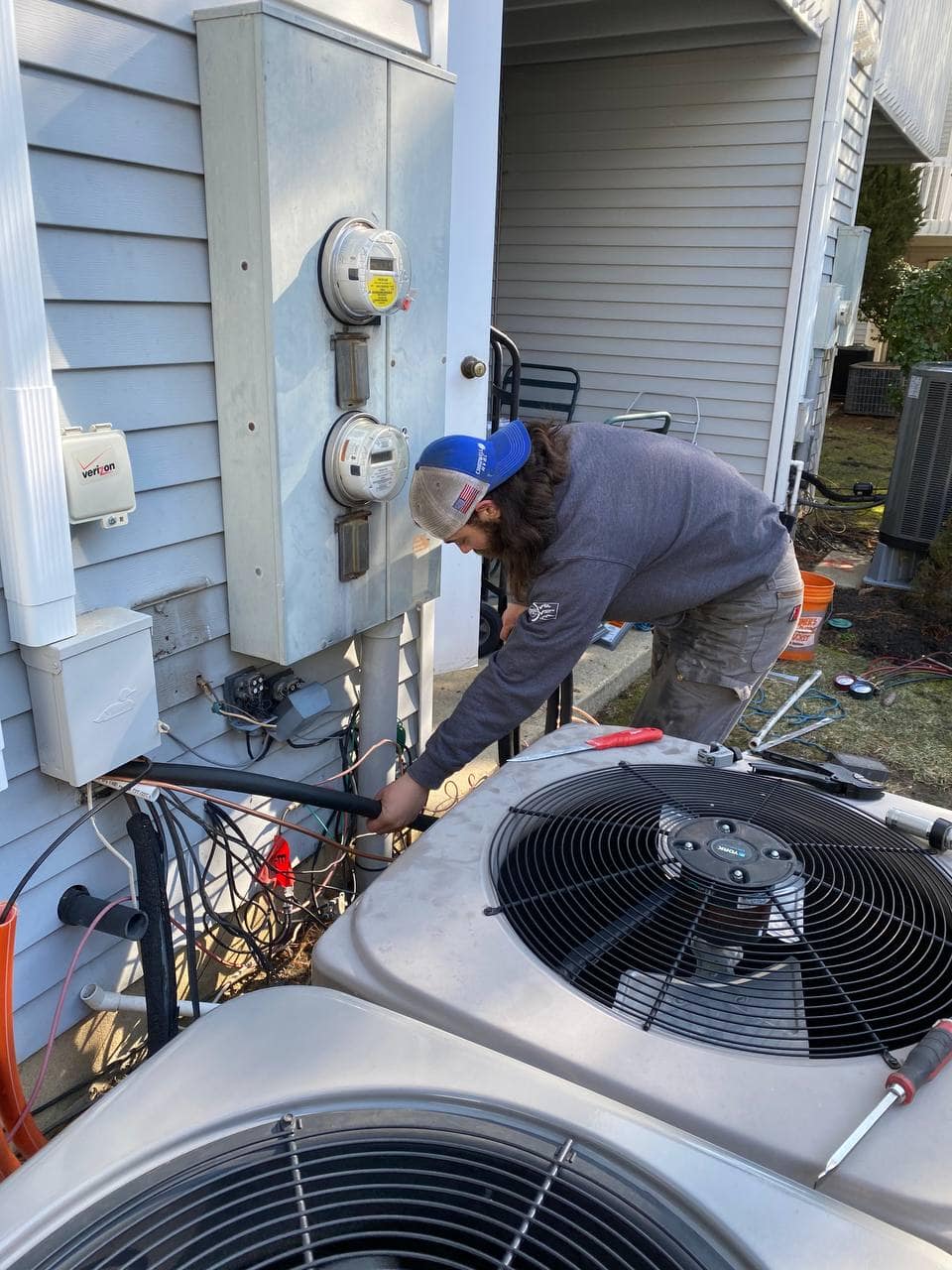 Plan goals and timing for reliable comfort without scramble
Start with a room-by-room map of comfort complaints, energy bills, and vent performance. Use a local calendar to note pollen blooms, school breaks, and peak utility rates, then slot a pre-season tune-up before the rush hvac hiram so parts and people line up fast. Mark sun-baked rooms and rank by impact like sealing ducts or balancing airflow. Set a simple target for each month, such as filter cadence, and share it with your household. You’ll feel in control when the first hot spell hits. Being ready beats reacting later.
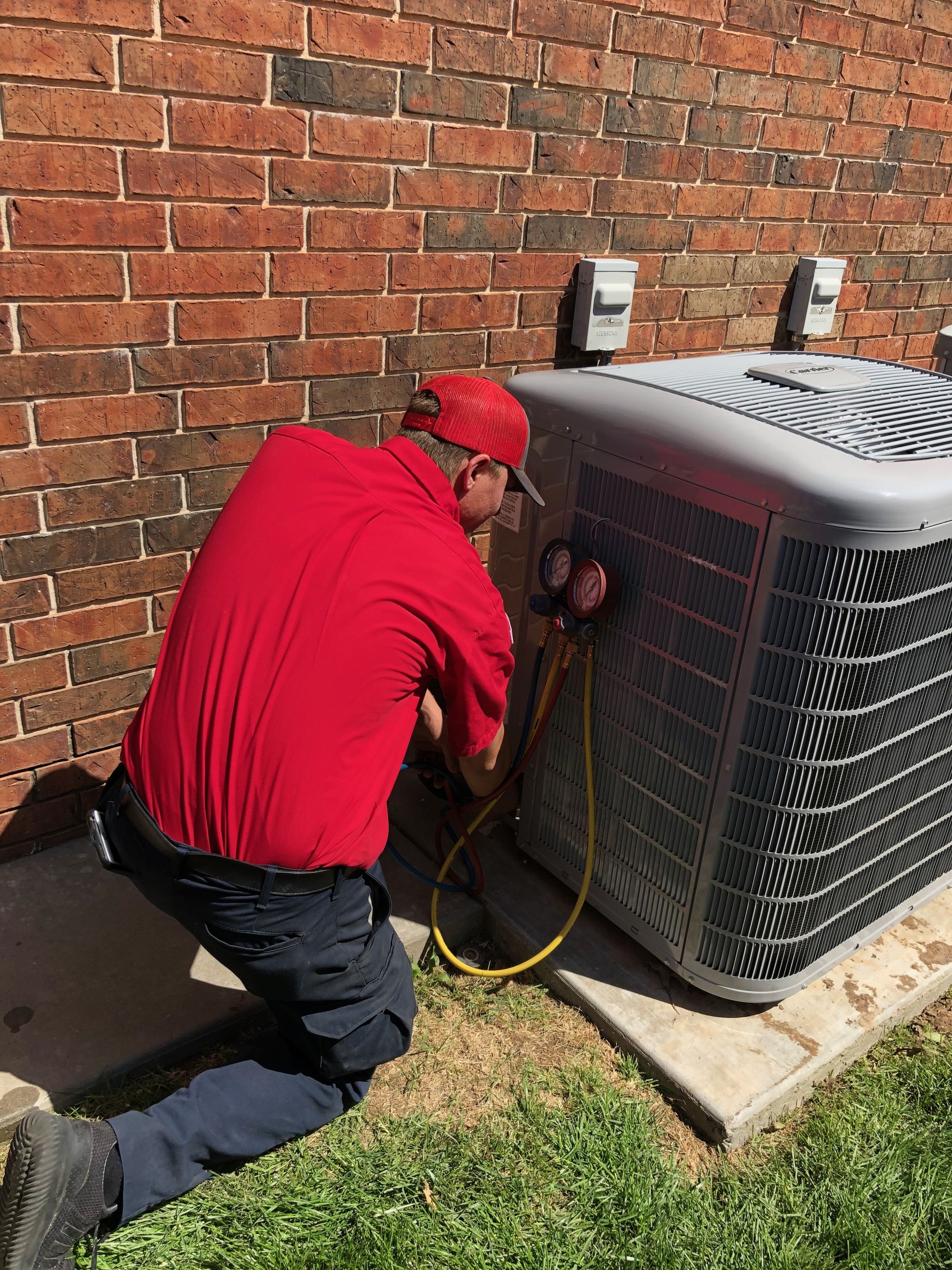
Make your plan visual with a fridge chart or a shared phone reminder. Hold brief check-ins for a walkthrough and a call, and bundle small tasks like filter swaps with thermostat battery changes. When a storm delays things, shift the next item forward and avoid overhauling the plan. The goal is rhythm, not heroics. That steadiness preserves budgets.
Choose right-sized filters and thermostats for clean airflow
Start with MERV ratings that match your home, pets, and allergy load. Good choices balance static pressure and motor strain, and you can log replacement sizes beside vent locations hvac hiram to avoid last-minute store runs. Overshooting filtration adds drag and raises noise, so seek match over max numbers. Match filter work to coil health so biofilm and dust don’t undo gains. You’ll notice steadier temps after simple alignment. Small parts often make big differences.
For controls, choose programmable or smart thermostats that suit your daily rhythm. If you work hybrid, set two comfort bands, and apply soft cools to protect the compressor. Confirm low-voltage fit and save the old faceplate before swapping. A ten-minute prep avoids an hour of guessing. Later, audit actual run times and nudge setpoints by one degree to ease cycling. Equipment breathes easier.
Stage workflows and checkpoints to beat heat waves
Map tasks into small sprints: filter checks, drain clears, coil wipe-downs, and vent balancing. Tie each sprint to a simple trigger like utility alerts or forecast spikes, and set a backup date two days later hvac hiram to absorb life’s surprises smoothly. Bundle attic work at dawn and save registers for evenings to keep disruption small. Post each sprint result so you see real progress. That feedback loop builds momentum. Progress invites the next step.
When pros are involved, schedule diagnostic first, parts later, verification last. Request coil before-and-after pics and keep them in a folder for trend checks. When lead times jump, approve a safe temporary setting and book a placeholder slot before the tech leaves. Keep ownership of timing. Continuity protects comfort.
Verify quality and manage surprises with simple home tests
Start with easy data: supply and return temps, run-time notes, and breaker status. Do a ten-minute walk with a cheap IR thermometer, and compare rooms on the same floor hvac hiram to spot duct leaks or blocked returns quickly. Track fast stop-start patterns and scan for damp, then log dates so nothing gets missed. If numbers drift hard, pause big spending and request a low-cost diagnostic first. Catching early shifts prevents failures. Silence is golden when it’s your compressor.
Use simple acceptance checks after any service. Check calibration with a second device, and line up with prior notes. Request the serial and warranty and store the work order. If airflow is still uneven, request a damper adjustment and measure again at night. Verification is protection. Loops build trust.
Keep costs predictable with lifecycle habits and smart trade-offs
Think in horizons: now, next season, and three years out. Assign a small monthly reserve for filters and diagnostics, and roll leftover funds into a coil-cleaning or duct sealing window hvac hiram before summer peaks. If a blower groans, weigh a midlife motor swap against higher bills and surprise downtime. Tiny upgrades can bridge years while you scout options. Bridging buys leverage. Choice saves money.
When replacement does make sense, match efficiency with climate and usage. Ultra-high ratings in cool areas can be the wrong play, while solid midrange units deliver better ROI. Ask for Manual J before signing, and double-check duct health so new gear isn’t hobbled by old paths. Right-sizing beats gadget-chasing. Smart trade-offs keep you comfortable and solvent.
Vet fit and ask sharp questions before you book help
Approach calls like interviews focused on outcomes. Ask how they stage diagnostics, what photos you’ll receive, and how they plan around weather shifts, then request two time windows for parts and verification hvac hiram so you’re not stuck waiting. Request plain talk about drain maintenance and listen for confidence. Teachers tend to be doers. Trust speeds decisions.
If your project is local and you want neighborhood familiarity, consider hvac hiram for a team that understands typical home layouts and seasonal swings. Request nearby references and confirm permit steps upfront. Request a week-by-week outline you can follow after the visit. Expect visible checkpoints. Execution proves value. When the plan looks solid, the work usually is.
Conclusion A maintenance-first approach keeps comfort steady by scoping early, choosing balanced parts, and staging work in small sprints. Simple tests verify quality while lifecycle planning smooths spending and reduces pressure. With the right questions, the right partner follows, and your home stays calm through hot spikes and cold snaps. Consistency today delivers easy seasons tomorrow.
Topics:
hvac hiram