Categories
on 23. June 2026
When summer spikes hit, quality cooling depends on clear planning and quick action. Many folks wait for a failure, but spotting small issues early keeps repair work simpler and bills manageable. I focus on a risk-first approach that starts with scope clarity, transparent pricing, and a phased workflow tailored to your home’s layout. You’ll see how a thorough intake, proper parts, and a steady schedule reduce callbacks and headaches. We’ll walk through planning, materials, timing, safety controls, and budget choices. By the end, you’ll know how to choose smart fixes without drama. Whether you live in a bungalow, manage a small office, or look after a rental, the same practical steps apply. Along the way, I’ll share grounded examples and small checklists so you can act confidently before the next heat wave.
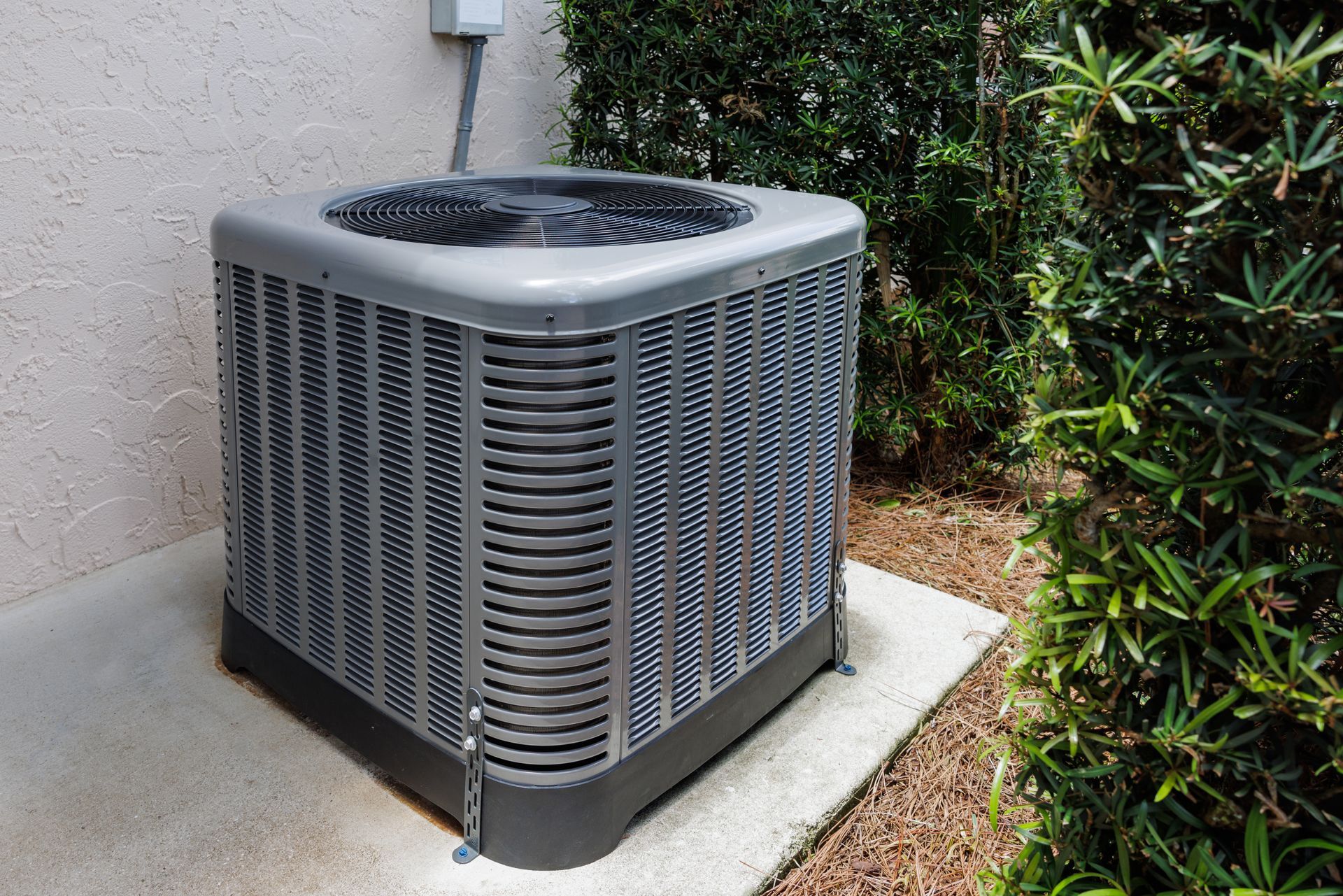 Set scope early to limit risk and avoid wasteful rework
Start with a clear problem statement: rooms that won’t cool, a breaker trip at start-up, or a intermittent short cycle. You can compare options with ac repair near me for quick context. Map each symptom to common causes, then separate must-fix items from deferred upgrades. Ask for a photo log of findings, or a short video summary. Create a simple scope that pairs tests to fixes, like "replace dual-run capacitor after meter reading out-of-spec."
In a 1950s ranch, for example, a stuffy rear bedroom traced to a crushed branch duct and a tired blower wheel. A narrow scope speeds approvals; a bloated scope slows crews. Tie each line item to a measurable outcome: target static pressure, coil delta-T, or thermostat deadband range. Document baseline readings before work; recheck them after. This trims risk and builds trust quickly.
Choose verified parts and clean inputs before any wrench turns
List the correct capacitor value, contactor rating, and filter size by model, not memory. You can speed this check with ac repair near me during the parts run. Match refrigerant type, line-set length, and metering device to avoid starved evaporators. One bad spec can trigger short cycling, noise, or icing. Label removed parts and bag hardware so tiny fasteners don’t vanish under the condenser.
In a light commercial salon, high humidity stemmed from an oversized condenser and a sticky TXV bulb wrap. Swapping to the properly sized outdoor unit and rewrapping the bulb with new mastic restored consistent latent control. See how correct parts solve root problems, not side effects. Keep a box of common wear items—run caps, contactors, fuses—so same-day restores stay on track. Record serials and readings to feed future service visits.
Orchestrate steady workflow and realistic scheduling across crews and homes
Lay out a calm sequence: diagnose, parts pickup, safety lockout, replace, test, then homeowner walk-through. You can align this plan with ac repair near me while you block the calendar. In a duplex, morning diagnostics flagged low airflow, so the tech reserved mid-day for duct sealing and late afternoon for airflow balancing. That pacing kept tenants comfy and minimized disruption. Schedule around property access, pet handling, and parking zones to avoid last-minute scrambles.
For a bakery, compressors couldn’t pause near lunchtime heat loads, so work shifted to early morning with a backup portable cooler. Flexible blocks absorb surprises; rigid blocks magnify them. Share a one-page plan with milestones: when testing ends, when panels reopen, when cleanup begins. Make room for QA checks before the last cover screws in. If you’re comparing quotes, ask which team delivers hvac repair services without stacking three jobs on one truck.
Lock quality gates and verify performance to cap costly risks
Build gate checks into the day: power off verified, caps discharged, line voltage confirmed, and drain traps cleared. You can keep focus sharp with ac repair near me as you tick off each test. After replacing a contactor, measure coil resistance, inspect lug torque, and check voltage drop at startup. Slow down on meters; they flag silent faults. Verify airflow with a hood or a grid kit, not just a hand test at the register.
A townhouse crew logged subcooling, superheat, and compressor amp draw before sign-off, then graphed the results against OEM charts. Charts beat guesses on the season’s hottest week. Photograph wire routing and panel interiors for a simple before record. Add a drip pan tablet and flush the trap to head off algae clogs. Close with a homeowner demo, or leave a two-minute video.
Balance budget with longevity and make timely trade-offs that last
Price looks different when you count lifespan, energy use, and downtime. You can weigh these factors with Ac repair near Me before you sign. Example: a high-MERV filter may read well on paper but choke airflow in older returns; a slightly lower MERV with better fit can perform better overall. Sometimes the cheapest path costs more in two summers. Compare coil cleanings, blower pulls, and drain maintenance plans against a season’s energy spend.
For a starter home, swapping an aging PSC blower for an electronically commutated motor cut draw and smoothed comfort, delaying full system replacement. That choice stretches dollars while lifting daily comfort. Ask for "good, better, best" with clear warranty terms, labor windows, and response times. Keep one emergency slot per week for the unexpected, not stacked into your main workstream. With a clear plan, heat waves feel manageable.
Conclusion A risk-first playbook keeps scope tight, parts correct, and schedules smooth, so fixes land cleanly the first time. You saw how planning, inputs, workflow, quality gates, and value trade-offs fit together into one steady path. Follow this map to cut stress while protecting your home’s comfort. With consistent habits and simple checks, you’ll stay cool through the toughest stretch of summer.
Topics:
ac repair near me