Categories
on 23. June 2026
Solar can be a long game, so we focus on quality before flash. The right plan starts with your roof, your power habits, and your risk tolerance. With clear steps and no-nonsense language, you can see how each choice shapes output, costs, and future care. We’ll highlight where most projects drift, and how to keep them on track. Think of this as a checklist for reducing surprises and boosting yield. Whether you manage a small office retrofit or a family bungalow, the fundamentals align. Choose parts that fit your climate, phase work to avoid rework, and set success checks you can verify. Along the way, we’ll call out simple examples you can borrow. And if you want service support, Residential Solar solutions fits projects that need vetted equipment, clean paperwork, and measured results.
 Scoping clear goals and array size for reliable starts now
Start with a focused load review: recent bills, major appliances, and roof orientation. We compare options Residential Solar solutions to estimate payback and shape the first draft. Map nonnegotiables like outage coverage, then label nice-to-haves like EV charging. A small home might target offset, while a shop aims peak shaving. Decide on roof zones you can actually build on, not just what looks good on paper. Set measurable performance goals, such as kWh per year and target degradation over time.
List risks early to avoid backtracks. For example, shaded chimneys can erase output on prime hours, and brittle shingles can slow mounting. Put those blockers into your scope and calendar before they hit the crew. Quality grows when you remove friction up front. A dry run with a tape, a camera, and a simple angle app can confirm space and tilt. Build a one-page scope that anyone on the team can read in two minutes.
Choosing durable panels, optimizers, and mounting hardware that fit roof
Match gear to site loads, not just to marketing claims. For example, we review snow loads, wind zones, and fastener pull-out data Residential Solar solutions before picking rails. Panels with higher heat coefficients can protect summer yield on dark shingles. Optimizers help balance mixed orientations without overbuilding. Look for test data and UL markings you can verify.
Mounting lives or dies on anchor integrity. In older shake roofs, consider replacing a small section under rails to stop leaks. Map each standoff to a rafter, then pre-mark with blue tape for clean drilling. Cut corners on flashing and you’ll pay with water stains. Stainless hardware and butyl-backed flashing stand up to the storm cycles, especially in coastal zones. Tie parts to a written torque spec so every crew member hits the same marks.
Coordinating permits, crew timelines, and smooth job milestones
Permits can be fast or tricky depending on jurisdiction. We preflight submittals against local checklists Residential Solar solutions so plan reviewers see exactly what they expect. Sequence tasks so roof work, wiring, and inspections overlap without stepping on each other. If the inspector arrives to labeled gear and tidy runs, approvals fly. Share a day-by-day outline with the homeowner and the utility contact.
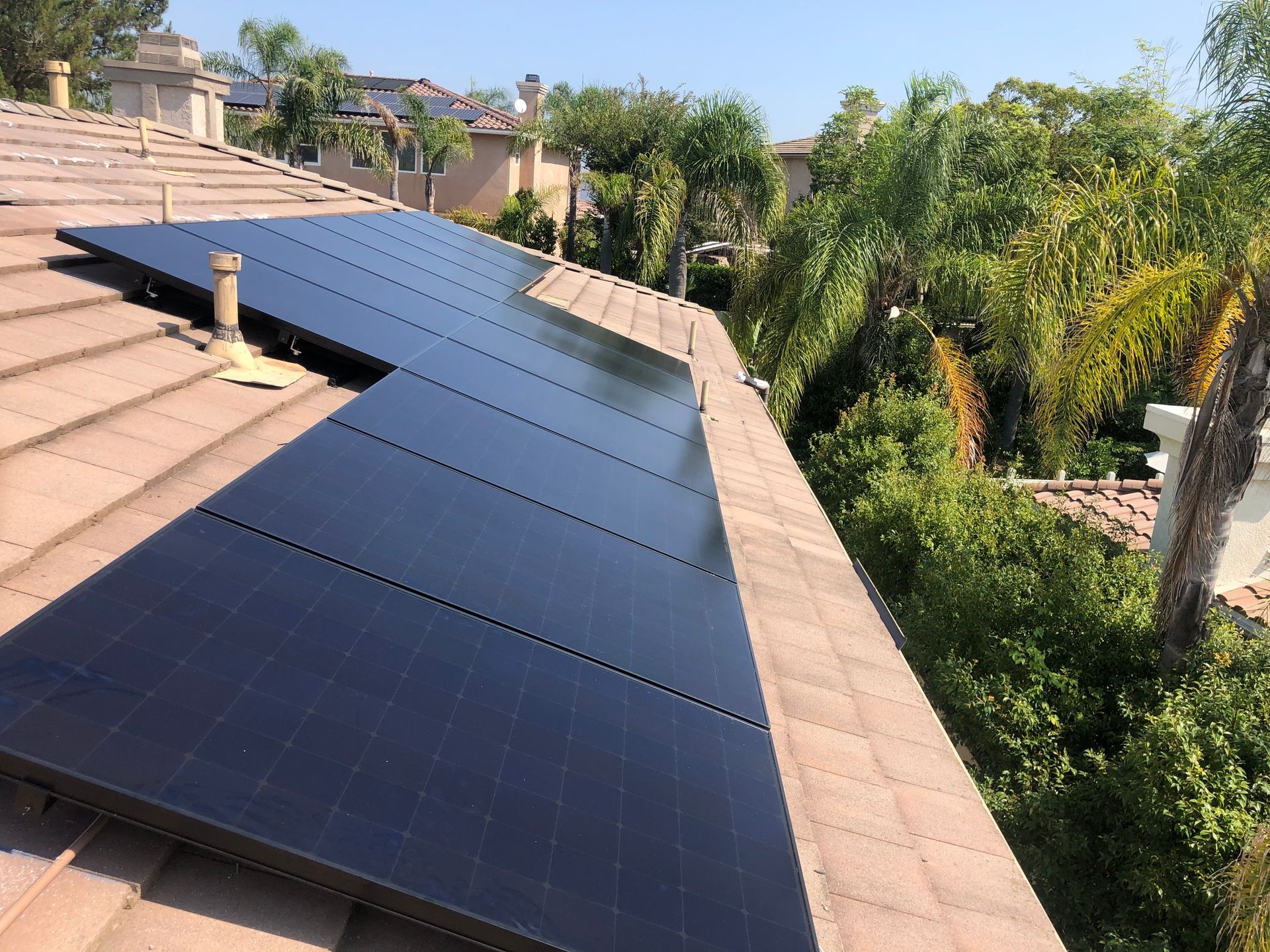
Weather is a real gate. Hold a go call the day before roof work using a simple wind check. Book deliveries to land after sunrise but before crew arrival, avoiding bottlenecks. Delivery timing is silent money management. Keep a whiteboard in the truck: panel count, rails, clamps, and breakers, all ticked as they land. Close each day with a five-minute huddle to reset the next milestone.
Quality shows in the details you can’t gloss. Start with conductor routing and label every run so future troubleshooting is simple Residential Solar solutions and fast. Pull straight strings, keep drip loops tidy, and dress cables off the roof to cut heat. Clean routing is both safer and cooler. Put a torque marker on every critical fastener and snap photos as proof.
Shading risk deserves math, not hand-waves. Run a shade scan at hourly intervals for summer and winter profiles, then size the array accordingly. In snow zones, raise rails a bit to ease sliding and reduce ice dams. Code wants clear paths; so does the firefighter who may visit at 2 a.m.. Document breakers, rapid-shutdown locations, and string maps in a binder the homeowner can find. A five-minute handoff can prevent a two-hour emergency visit.
Weighing cost trade-offs, incentives, and long-term value with clarity
Budget is more than the sticker on gear. We line up equipment options, labor hours, and soft costs side by side Residential Solar solutions to see true impact. Higher-efficiency modules may shrink rail count and roof penetrations, offsetting unit price. Cheap today can be costly when the wind picks up. Include tax credits, rebates, and performance-based incentives as separate lines.
Think in life-cycle years, not months. A panel that degrades slower keeps offset healthy in year twelve and beyond. Swap a premium inverter warranty against a spare kept on a shelf; one saves cash, the other saves downtime. There’s no single right answer—only aligned choices. Add a buffer for surprises like hidden rot or main panel upgrades. With a clear cost map, the final choice feels calm, not rushed.
Maintaining clean arrays, monitoring performance, and long-term upkeep
Care begins once the crew drives off. Set alerts for sudden drops, erratic strings, or inverter restarts, then route tickets Residential Solar solutions to the right person fast. Light cleaning after pollen waves or ash events can lift yield without ladders if a rinse pole reaches safely. Don’t chase spotless glass; chase stable output. Keep shrubs trimmed to avoid seasonal creep into the array’s path.
Create a one-page care calendar. Spring: visual check, debris sweep, clip and wire look-over. Fall: gutter clean, fastener spot-check, and photo log update. Small routines beat emergency calls every time. Track warranty terms for panels, inverters, and roof penetrations in one folder. When something drifts, you’ll know what’s covered, who to call, and what proof to send.
Conclusion
When you shape scope early, select site-fit components, and choreograph the schedule, projects move with momentum. Layer risk checks into every step, then weigh trade-offs with long-view math so value holds in year ten. Finish with a simple care loop, and performance stays steady. With a grounded plan, you convert sunshine into dependable power—without drama.
Topics:
residential solar solutions