Categories
on 23. June 2026
Summer pushes systems hard, and small mistakes multiply when rooms heat up fast. When you plan cooling work, clarify trade-offs so crews avoid guesswork, and your space stays comfy. We favor a evidence-based path that maps each step, tests assumptions, and balances zones. In practice, solid scoping trims surprises, contains extras, and limits downtime. If you ever face urgency, ac repair can bridge gaps while you prepare a larger upgrade. Still, prevention beats panic when heat waves arrive. Expect straight talk below: what to gather, where to push or pause, and how to maintain gains without overspending your project.
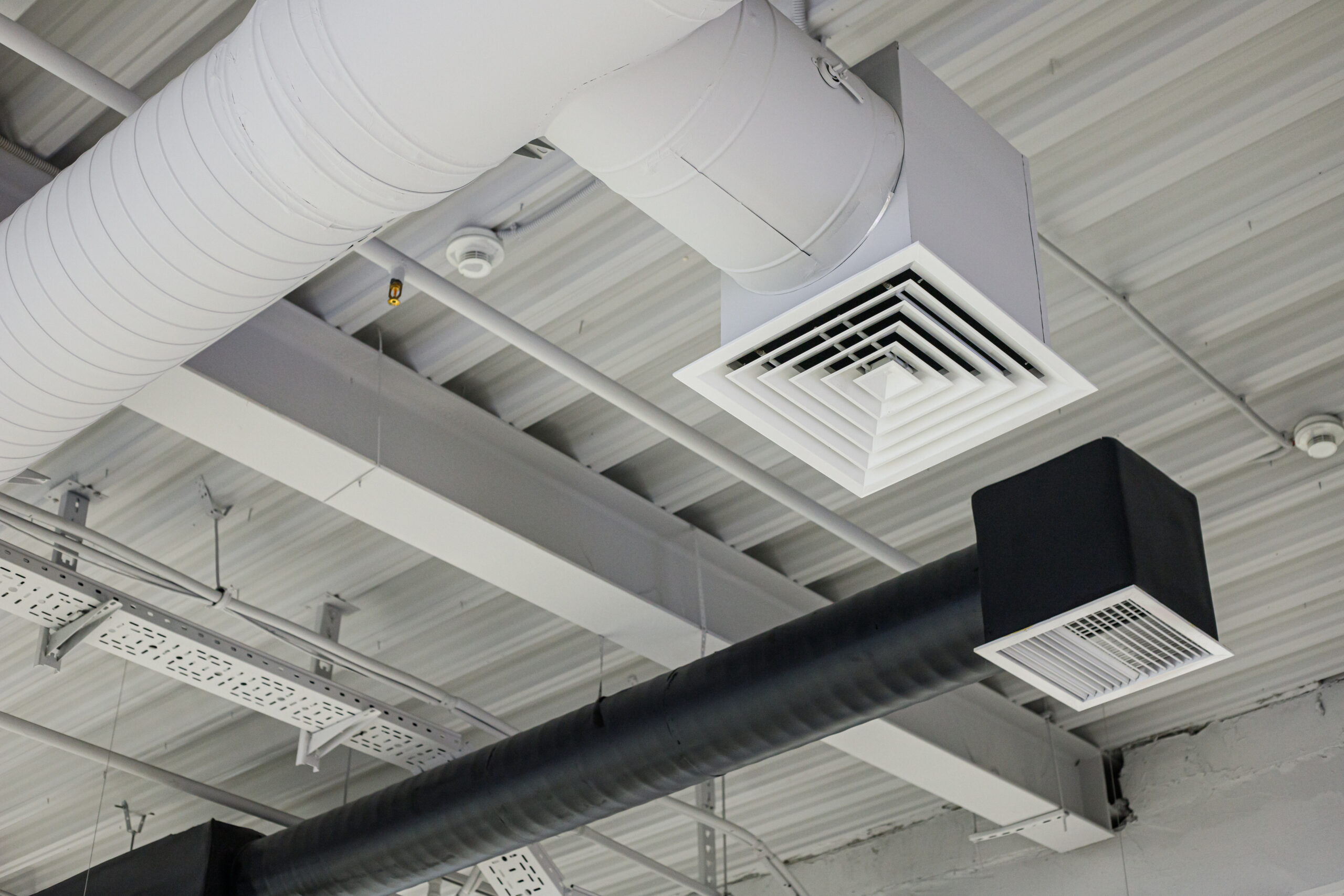 Define clear HVAC goals and boundaries before crews start
Start with a lean brief: square footage, occupancy patterns, return paths, and aesthetic needs. We confirm details by walking each zone, then note load drivers; hvac spring helps organize decisions across owners, tenants, and field teams. Write constraints like filtration level, plus door leaks. Flag special rooms so crews don’t guess once work starts. Aligning expectations early prevents friction later. You’ll spend less time firefighting.

In a duplex, we split zones because kitchens run hot. The plan sets static targets so techs set dampers right. When stakeholders agree, vendors quote cleanly, and sketches keep all parties aligned. This upfront clarity speeds permits and purchasing.
Map seasonal schedules and technician workflows to cut delays
Hot months stress crews, so stage deliveries with milestones. We block duct work ahead of ceilings, and we label circuits, while hvac spring keeps the order of operations clear to every stakeholder. Morning starts protect attic labor, while office hours shape shutoffs. Think chess, not checkers. Good cadence prevents mess.
On a small clinic, we moved patients to avoid downtime. Pads were stocked, and condensate routes were pre-measured. Subs synced at shift ends, so inspections passed on first try. The schedule served the building, not the other way around.
Control quality and risk with tight verification practices
Quality lives in proof, not hunches, so we chart flows at each handoff. Site leads verify delta-T against design, and hvac spring sits in daily notes to track what passed and what needs a second look. Mastic seals cut sweat, while lined returns mute echo. Trust the gauge, not the guess. Proof turns debates into decisions.
In a school library, dust limits drove fan curves. We scope-cam checked drains before finishing paint. Final pass lists get signed with clear trail for audits. Measured results age well.
Balance budget against efficiency through smart trade-offs that fit the site
Money and comfort don’t fight when loads are right. We weigh upfront price against controls, and hvac spring captures why one option beats another for your rooms. Tighter returns often win faster than exotic parts. Spend where air touches people. Chasing rebates without fit risks regret.
A starter home gained quieter nights by air sealing. We skipped complex zoning and picked proven kit. Hot spots faded because returns breathed. The best upgrade is the one you notice daily.
Plan maintenance and long-term steps to keep systems steady
Even great work slides without simple habits. We set coil rinses on labels, and note smells during chores, while hvac spring helps everyone track the what, when, and why of each tune-up. Clean pans stop drips before mold grow. A little care goes far. Small habits guard big systems.
In a busy salon, hair fibers wet coils. We set a biweekly check cadence and kept one spare set on site. Managers texted odd behavior, and we fixed traps before rush hours. Prepared shops stay cool when crowds arrive.
Reduce variance with practical coordination across users and site teams
Rooms are lived in, so ask routines before setting temps. We gather sleep cycles and stage shutoffs to suit them, and hvac spring keeps those choices visible so no one’s surprised. Walking floors reveals draft paths that drawings miss. Paper is helpful, people are crucial. Listening clears half the obstacles.
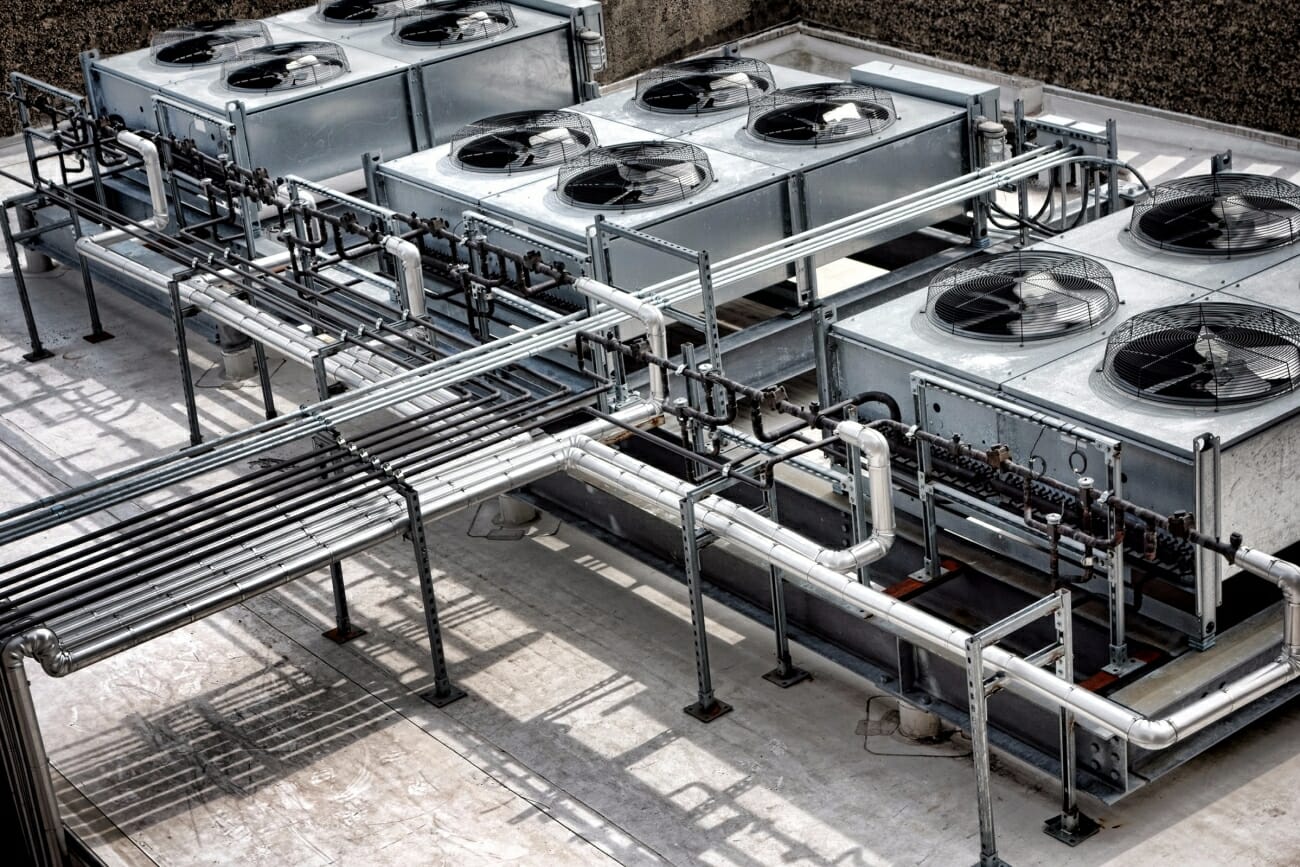
A co-working loft had odd seating. We moved returns at clustered desks. Complaints dipped because habits led the plan. Coordination beats after-the-fact fixes.
Conclusion
Cooling projects thrive when good scope, steady cadence, and proven checks work together. The playbook above turns vague goals into concrete steps, and it keeps trade-offs grounded in what people actually feel. By closing the loop with simple care and real coordination, you protect comfort and cost across seasons. Choose partners who test, document, and communicate, and your rooms will stay calm when the weather won’t.
Topics:
hvac spring