Categories
on 25. June 2026
Slow drains seem tricky, but the damage grows fast when you wait. A lean plan saves time, cuts stress, and keeps water where it belongs. I’ll walk you through phasing, parts, timelines, proof, and care. We’ll use plain talk, real examples, and step-by-step steps that fit busy homes and light commercial spaces. You’ll learn when to DIY, when to call, and how to keep your pipes clean longer. One trusted plumber can be the difference between a low-cost fix and a dragging week. Plan early to avoid crisis later. We’ll focus on prevention so you dodge leaks. Tight budgets still win with the right choices.
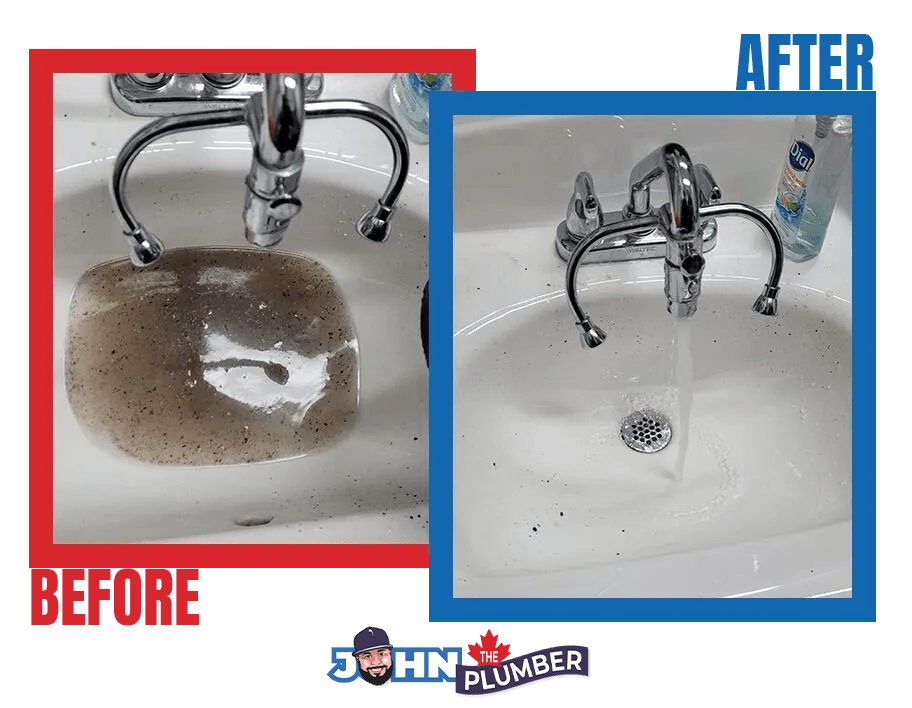 Map Scope Early and Set Goals for a Right-Sized Start
Start with a clear picture of the issue, the building type, and the context of the drains. drain plumber Middlesex Add where backups happen, what fixtures connect, and how often slow flow shows up. Note pipe sizes, vent routes, and any sag risk from past jobs. Tag floor drains and cleanouts so reach stays simple. Split urgent repairs from upgrades to keep choices sharp.
Do a stack-by-stack walk-through with a flashlight and a small mirror. Snap photos of each trap and label them by room. Use blue tape to mark fixtures that feed the same branch, and a sticker for flow direction. Draw a to-scale map showing the main, branches, vents, and cleanouts. When the picture is clear, the fix is faster.
Choose Durable Materials and Fit-For-Purpose Inputs That Last
Match pipe and fitting materials to the use they’ll face now and later. drain plumber Middlesex For grease-heavy kitchens, plan a proper pre-treatment and high-temp lines near the cookline. Pick no-hub couplings with reliable shields, and confirm gasket ratings against expected degreasers. Thread sealants and primers should suit the exact metal system. Wrong materials turn easy jobs into slow, costly callbacks.
Stock extras for the most-touched fittings, plus a backup cleanout cap. Keep spares on hand for worm clamps, test balls, and camera batteries. Label bins for tees, wyes, traps, and transitions so returns go fast. Always verify slope tools and torques with a recently tested wrench or level. Durable upfront choices pay you back every single month.
Build a Steady Workflow and Realistic Schedule Everyone Can Follow
Stage the work to protect kitchen routines and sensitive hours. drain plumber Middlesex Cluster noisy tasks first, then open-pipe steps when backup space is ready. Plan cleanouts on day one, testing on day two, and closeout on day three for a calm cadence. Post a one-page plan by the panel or sink with contacts bolded. Clear timing keeps tempers cool and doors open.
Use a stoplight board: green for open fixtures, yellow for caution, red for shut zones. Tie camera work to dye tests, and link snaking to follow-up flow checks. Stage vacuums, tarps, and wet mats beside entry points to cut dust. Do end-of-day wipe downs with a quick photo log and timestamp. A steady rhythm beats last-minute scrambles every time.
Test for Quality and Manage Risk Before It Finds You
Treat testing as part of the fix, not an afterthought. drain plumber Middlesex Run a top-down flow check, then branch by branch, then fixture by fixture for clean results. Use smoke or peppermint to confirm vent paths, and log grade with quick level snapshots. Keep a clean zone for tested lines so nothing gets bumped post-pass. A test today saves three calls tomorrow.
Before opening walls, scan for wires and mark studs and pipes with bright tape. Lay down covers to protect floors, and keep a tray for sharp offcuts. Watch for belly clues when the camera shows pooling or shadowed ovals. Confirm shutoffs work before any cut, and tag the main with a big note. Quiet jobs come from loud checklists.
Plan Budget and Choices That Protect Value Without Surprises
Start with line items by outcome, not just parts and hours. drain plumber Middlesex Price the cleanouts, camera maps, and confirmed slope fixes as separate wins. Show an option for prevention visits at six-month intervals and one for as-needed calls. Separate nice-to-have upgrades like touchless fixtures from must-do code fixes. Clear menus help people pick what truly matters.
Explain where money goes: access time, protection, parts, tests, and cleanup. Flag long-lead parts and note a buffer for hidden damage. Offer a repair-now, replace-later path when the main is tired but holding. Capture decisions in writing with photos and timestamps for each picked option. Transparency builds trust faster than discounts do.
Build Care Habits and a Lifecycle Playbook That Prevents Backups
Make a simple routine: monthly traps check, quarterly branch flows, and annual main reviews. drain plumber Middlesex Run hot water after soapy loads, and keep grounds out of drains. In small restaurants, log grease interceptor cleanings by date and volume. In older homes, note trees by species and root growth by season. Small habits beat big emergencies, every time.
Post a one-page "Do This, Not That" by the sink. Keep an enzyme routine for odor control, and avoid harsh lye that eat seals. Test vents after roof work, storms, or nesting seasons using soap. Schedule a camera look when you buy or remodel so the map stays complete. Steady care turns drains into quiet background actors.
In the end, a down-to-earth plan pairs with solid parts, a steady schedule, tight tests, and easy upkeep. You’ve seen how scope, inputs, workflow, risk checks, and care connect to keep drains moving. Choose the steps that fit your place and start this week. Good planning today keeps tomorrow on budget.
Topics:
drain plumber middlesex