Categories
on 26. June 2026
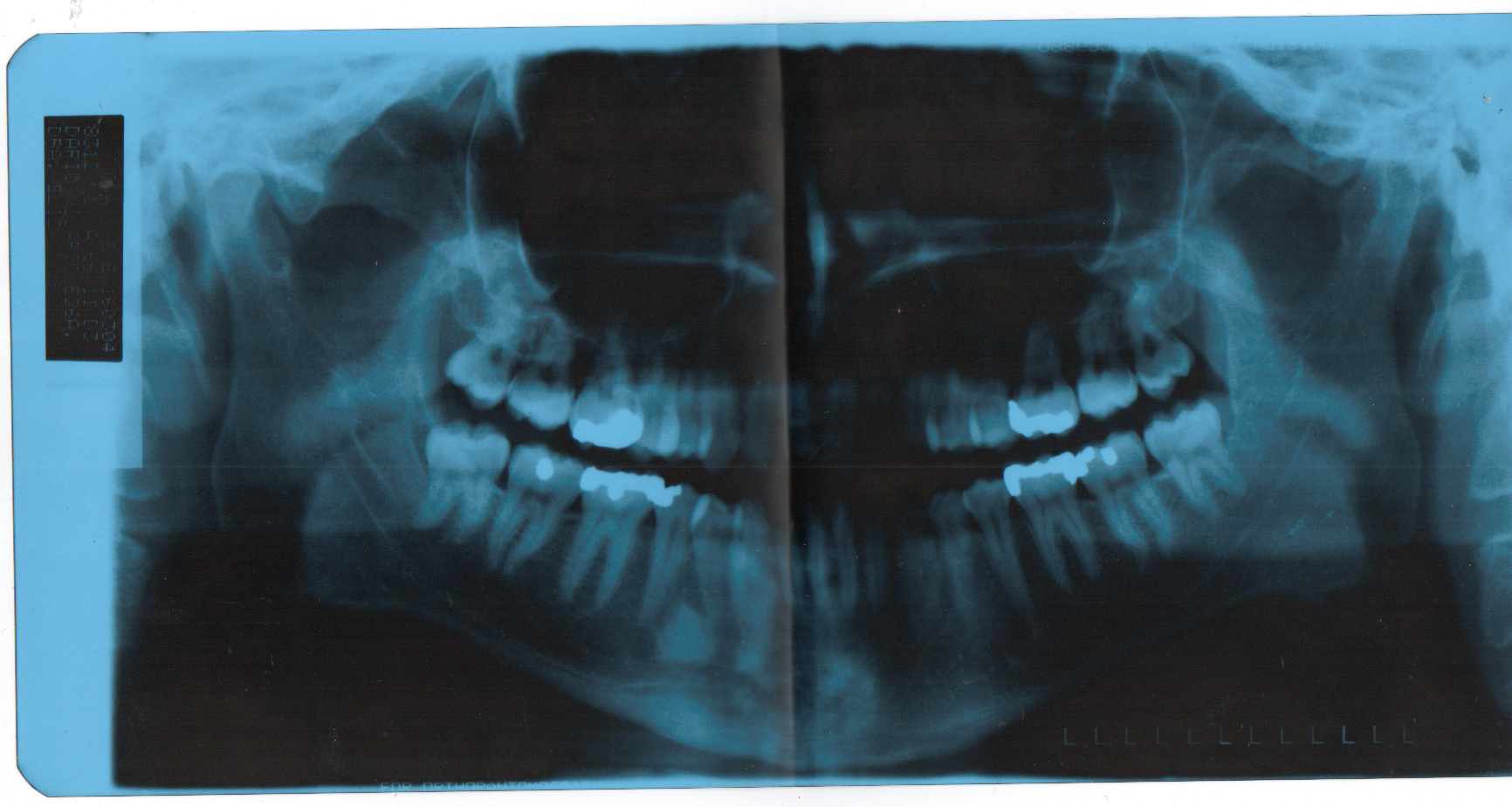
Good oral health starts with steady habits, clear choices, and a realistic plan that fits your week. Brief routines build lasting results, and that goes double for checkups and restorative work. When you know how a clinic schedules, what materials it favors, and how it handles risk, you cut delays and friction. You also save money by matching treatments to your timeline and comfort level. Here, we look at real actions that reduce stress, from first assessment through follow-ups. If you’re weighing implants near me, it helps to compare healing windows, lab coordination, and how your bite will change week by week. Spelling out steps keeps everyone aligned, so you can plan around school runs, commute times, and travel. You deserve care that’s predictable and kind, and your teeth will thank you.
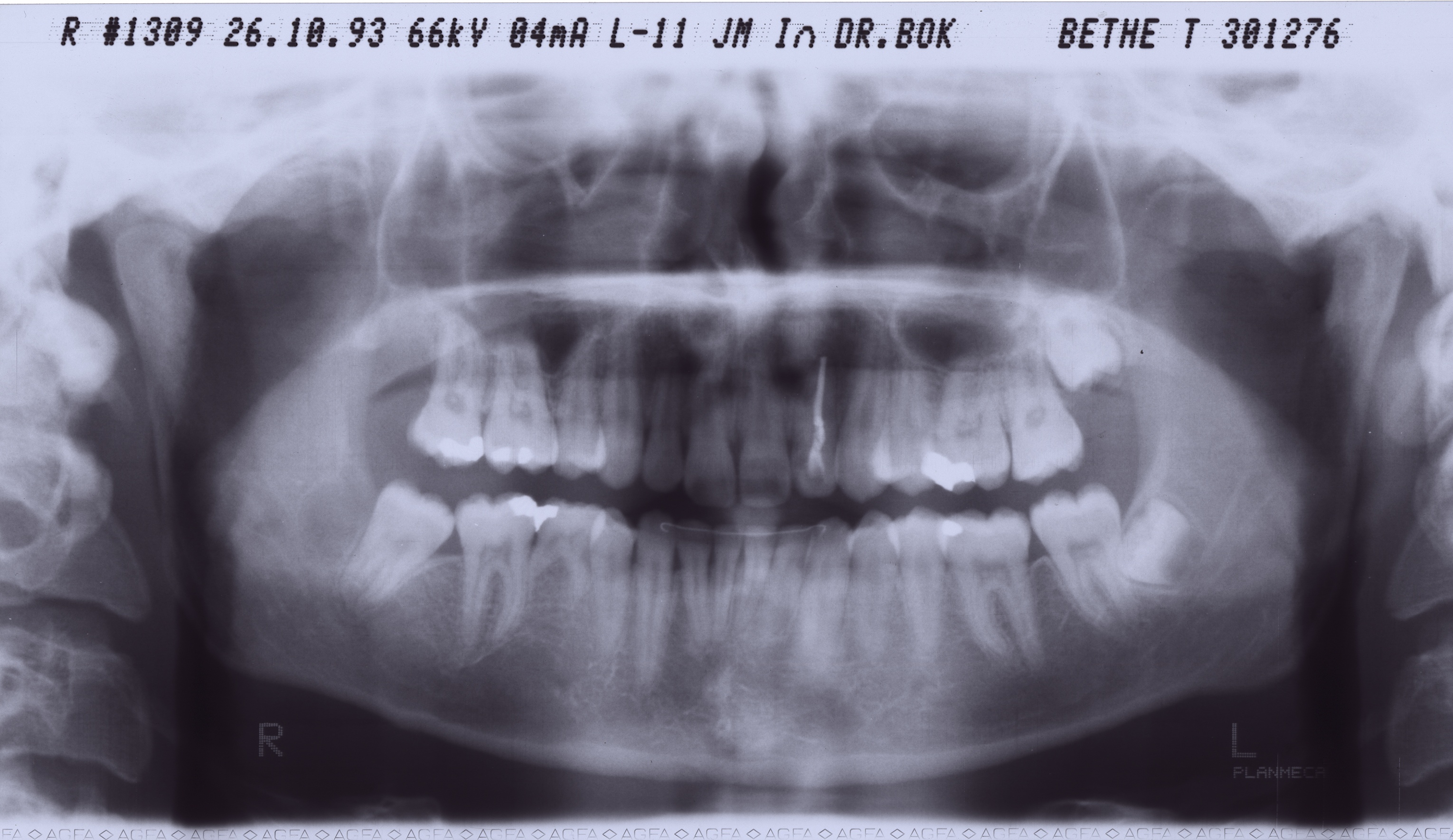 Mapping risk-smart scoping for routine and complex treatments
Start by listing your goals, time limits, and what matters most for comfort and cost. You can compare options at dentist abbotsford to set a timeline that fits school, work, and healing. Capture key needs like pain control, number of visits, and travel distance. After that, order them by value so your choices stay focused. Ten minutes up front can spare weeks of stress.
For busy parents, block visits around meal times to avoid low blood sugar and frantic mornings. Seek photo examples so you can preview shape, shade, and bite changes. A fast try-in eases decisions, and they help you spot speech or chewing issues before anything is final. Use shared phone alerts, and pad travel with wiggle room for traffic. Clarity today prevents confusion tomorrow.
Choosing inputs and techniques that balance comfort with durability
For fillings, crowns, or tooth replacement, ask about wear patterns, bite pressure, and stain resistance in daily life. Many patients review examples at dentist abbotsford to see how different options hold up over months of coffee, tea, or sports drinks. Composite can blend well, while ceramic boosts polish and lasting power. A strong substructure helps load, which matters for night grinding. Match the material to your habits for steady results.
If you’re comparing parts for a missing tooth, look at gum shape, bone levels, and how your tongue moves during speech. Slimmer contours can ease T sounds, and a smoother glaze helps with cleanliness. Ask how labs color-match so the result fits your smile line in daylight and indoor lighting. Choosing once, well, saves return trips. Solid materials support fewer surprises.
Coordinating workflow and scheduling for on-time appointments
Tight schedules work best with short visits and clear handoffs between imaging, prep, and final checks. Patients often pin times through tools like dentist abbotsford so follow-ups land in the same daypart for consistency. Batch X-rays with cleanings to trim travel and setup time. Confirm lab days before booking cementation or try-ins. Sync saves steps and reduces stress.
When transit is tight, aim for first or last slots to dodge middle-of-day delays. Allow a short cushion for anesthesia so you are relaxed when work begins. Add a spare day between major steps if your job involves speaking, sales calls, or meetings. A single delay can ripple across visits, so confirm the day prior. Steady pacing protects your time.
Safeguarding quality and managing surprises during dental care
Quality shows up in how impressions fit, how bites align, and how gums respond a day later. You can ask direct questions at dentist abbotsford to learn how your clinic checks margins, polish, and occlusion before you leave. Ask for blue-paper checks to tune high spots that can stress a tooth. Run your tongue gently so food doesn’t catch. Tiny tweaks today prevent cracks tomorrow.
Pain and swelling are signals, not a plan. Create a simple care list with cold packs, soft foods, and saltwater rinses for the first 24 hours. Call early if pressure spikes, especially after late-day cementation or adjustments. If a sharp break or sudden ache hits on a weekend, search for emergency dentist near me and state your symptoms and timing. Fast info leads to faster relief.
Keeping work strong through care and lifecycle checkups
Good maintenance starts with three things: brushing technique, floss form, and consistent water intake. Many people track habits with simple tools at dentist abbotsford and aim for two quiet minutes, twice a day. Use a soft brush head and glide at a slight angle toward the gumline. Aim for steady pressure to protect enamel and roots. Gentle habits go farther.
Night guards protect from grinding, and a quick rinse plus a weekly soak keeps them fresh. Log any clicks in your jaw so you can share patterns during visits. Should a site bleed, swap to a milder paste and book a brief check. Catch changes while they’re small, because minutes now save hours later. Your future self will be grateful.
Budgeting trade-offs and cost without losing long-term health
Start with total cost over time, not just the first bill. Many clinics offer calendars and cost breakdowns through tools like dentist abbotsford so you can see visits, lab points, and healing windows in one place. Compare one long visit versus two shorts if you fatigue easily or have back limits. Ask what can wait so urgent pain is handled first. Sequencing trims stress and expense.
Consider materials that last in your daily routine, even if the ticket is slightly higher now. Stronger work avoids repeat visits when you factor travel and time off. Review remake policies before you sign, and keep copies of shade maps and batch notes. Simple records speed fixes. Invest where it truly endures.
Conclusion Care that respects your time, budget, and comfort is built on planning, sound materials, smart scheduling, and strong quality checks. As every step reinforces the last, you get reliable results with fewer surprises. Keep routines simple, track small changes, and speak up early so tiny issues never snowball. With a clear plan and steady habits, your smile stays strong for the long run.
Topics:
dentist abbotsford