Categories
on 24. July 2026
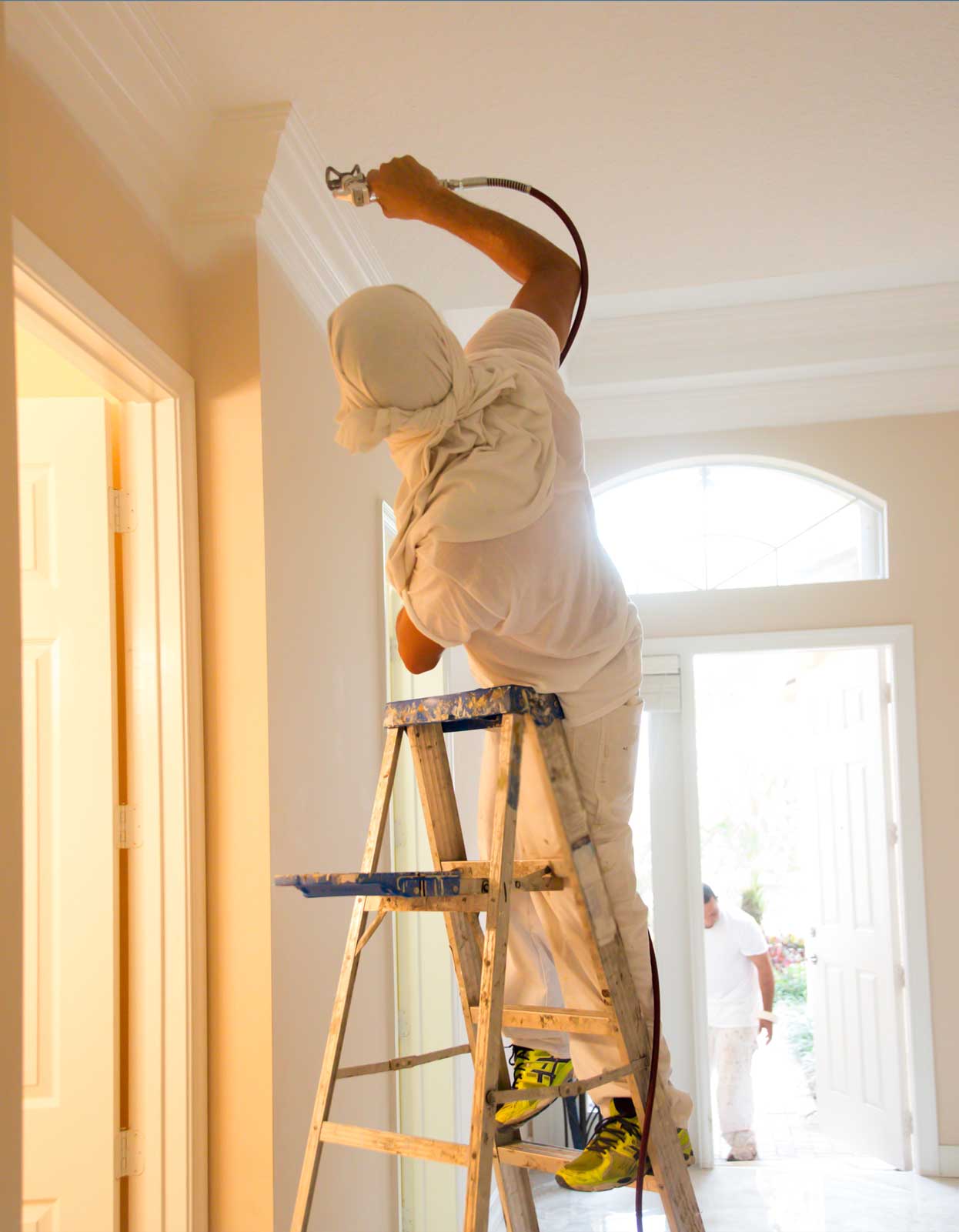
A well-tuned HVAC system can make or break finish quality, indoor comfort, and turnaround time on any renovation or maintenance project. When air moves correctly, lint stays away, coatings cure evenly, and humidity stops messing with trim or drywall seams. Erratic temperatures delay work, and it frustrates every trade on site. This guide unpacks real steps that cut rework, stabilize RH, and keep tools running at peak output. You’ll map the job’s limits, sequence the messy tasks, and set quality thresholds that protect finishes. In mixed-use spaces, targeted exhaust changes the game. If you’ve ever coordinated HVAC tune-ups alongside painters, you know clean returns and sealed registers stop grit from landing where it doesn’t belong. Lean on these tips to keep momentum, while keeping comfort high for homeowners and crews.
Defining scope upfront with firm airflow targets and workable limits
Start by touring the rooms and listing comfort complaints, hot spots, and filter history. You can compare specs at painters to avoid guesswork. Set humidity bands for bedrooms, kitchens, and basements, and match them to diffuser layouts. Storms affect balance, so bake that into your plan from the start. Right-size return grilles that reduce whistling and keep delicate finishes from flashing. Define success in numbers. It keeps scope stable.
Map zones to tasks: sanding in one area, masking operations off to the side, and HVAC adjustments that support each phase. Block off sensitive returns to protect surfaces, furniture, and equipment. Track targets per zone so crews don’t step on each other. For busy phases, appoint one contact. Tiny habits prevent messes, and they build trust across teams.
Selecting inputs, filters, and materials that match indoor demands
Choose filtration that suits the debris profile: MERV 11–13 for dust. For reference during purchasing, browse specs at painters and compare pressure drops. Balance capture with airflow so fans don’t stall at low speeds. Foam odd gaps to avoid unfiltered bypass. Try incense checks, and then record readings. Catch leaks now before they grow.
For exhaust, inspect terminations and size fans to hit air-change targets in wet rooms. Big, lazy turns waste CFM, so swap bad flex before crunch time. Coordinate low-VOC consumables with expected RH so primers flash right. When turnover is tight, stage dehumidifiers as needed. Better media cut cleanup, today and months ahead.
Orchestrating workflow and schedules to reduce dust, fumes, and delays
Sequence messy tasks when outdoor temps are friendly. For faster coordination between trades, check updates at painters before each shift. Stage isolation barriers to keep fine particles from drifting. Swap to temporary covers so flow doesn’t push debris onto drying surfaces. Replace filters afterward to avoid circulating the mess. Following this order cuts waste, inside studios.
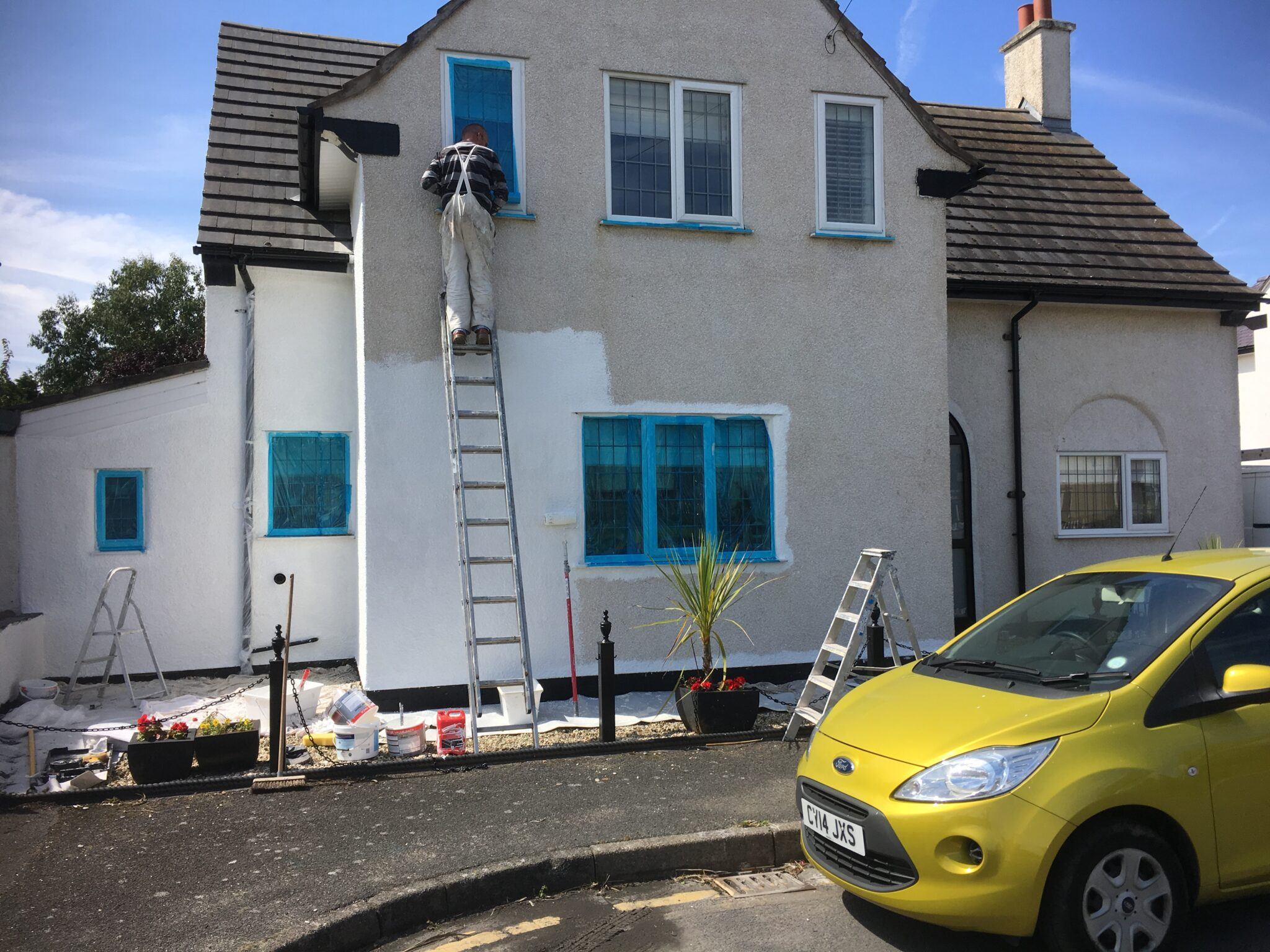
Stagger crews: HVAC techs verify setpoints early, detailers right after, and comfort checks at day’s end. Between shifts, cycle ERV boost to clear fumes. Screenshots of readings help, because it flags drift before edges ripple. One missed reading snowballs, as quick nudges prevent it.
Setting quality checks, issue thresholds, and pass criteria that stick
Define daily "go/no-go" gates: temperature within 2°F, humidity in range, and CFM at target. For shared accountability across teams, post results at painters during the afternoon handoff. When a metric slips, stop and correct the root cause. Reroute a flex run before continuing. Snap photos as proof so the evening crew starts strong. Objective targets end arguments, as deadlines loom.

Use simple tests: blue-tape lint checks on sills, white-cloth swipes on trim, and 10-minute purge runs before final detailing. Calm air misleads, so meters decide. Calibrate tools on Mondays, and spot-test Friday during heavy workloads. Tight routines prevent misses, and they keep standards consistent across locations.
Budget choices and lifecycle costs tied to comfort and uptime
Spend on filtration where returns are measurable, and scale back on rarely used modes. For pricing references and comparisons, skim options at painters before committing. Static pressure taxes motors, so choose variable-speed units that hold setpoints without roaring. A sagging flex can kill efficiency if ignored. Buy right, verify often is the mantra.
Plan for lifecycle touches: coil cleanings each spring, filter swaps monthly, and sensor calibrations on a set cadence. Stack visits smartly to cut callouts. If a remodel overlaps finishing, align schedules with a trusted painting company so fresh edges stay sharp. Routine care beats crisis, and it keeps the whole system steady through busy months.
In complex retrofits, coordinate user needs and staging so occupants feel heard. Mark purge windows in advance, and give people options for window access. When a small team asks questions about room finishes, bring in house painters early to agree on airflow plans. Early consensus builds speed, especially in mixed-use buildings.
Conclusion Smart HVAC practices shape comfort, finish reliability, and day-to-day momentum across any project. By scoping needs carefully, matching inputs to the load, and sequencing tasks with intention, teams reduce risk while protecting surfaces and schedules. Clear checks keep standards high, and budget thinking ties choices to real-world uptime. When specialty trades coordinate, including painting services on tight timelines, the space looks better, works smoother, and stays that way.
Topics:
painters