Categories
on 9. August 2026
When the job turns tricky, a steady plan keeps people safe, protects property, and delivers clean outcomes. This guide shares a safety-first rhythm, from site scouting to cleanup and restoration, with real-world examples you can adapt fast. You’ll see how to set goals, verify constraints, and stage equipment so crews avoid near-misses and lost time. We also cover gear choices, temporary controls, and role assignments that tighten communication during pressure moments. You’ll get field-ready notes that simplify choices under real constraints. Whether you manage small residential work, the same core ideas scale with minor tweaks. We’ll flag common pitfalls, give fallback options, and suggest ways to steady the schedule if a cut surprises you. The goal is a clean, quiet day that neighbors barely notice. By the end, you’ll be able to scope, sequence, and supervise with confidence using the same mindset pros apply to tree removal.
Scope sharply and align expectations before the first move
Start by mapping the site constraints, risk zones, and finish standards with a simple sketch and a brief checklist. Place traffic cones at vehicle pinch points tree removal then tag hazards like soft soil, brittle fences, or low wires. Confirm disposal, chip size, and stump depth before you roll. Define win conditions in plain terms: no turf rutting, no fence contact, gate closed at lunch. If a branch overhangs a neighbor’s shed, set a spotter and pad it. Note where you’ll stage rounds, park rigs, and swing lines. This early clarity stops scope creep and protect-your-neck surprises.
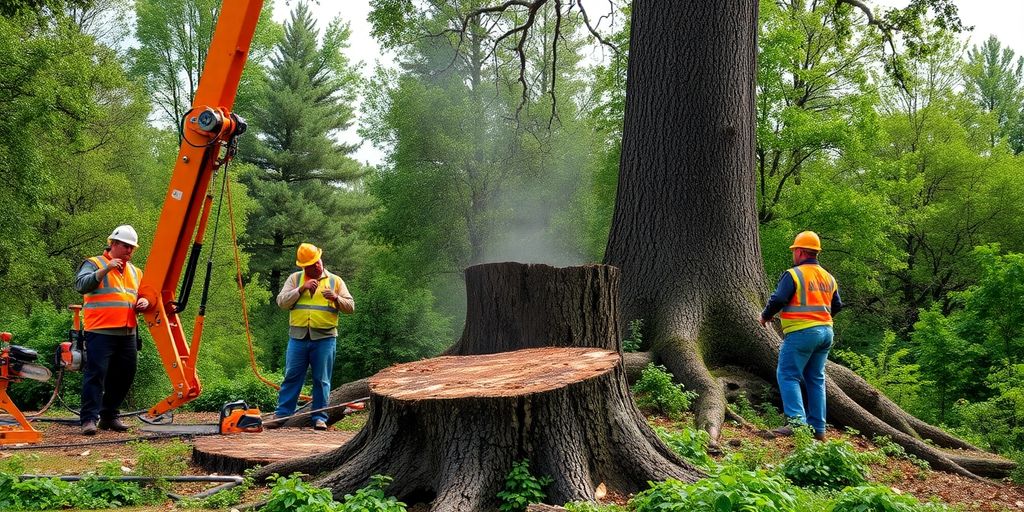
Build a mini playbook with time blocks, radio channels, and a photo of the marked drop zone. Place a whiteboard by the chipper for status and handoffs. Color-code the cut order on your sketch so new eyes track the sequence fast. If neighbors have pets, schedule gate checks at set intervals. Decide who signs each phase so acceptance is smooth and disputes fade.
 Gear, documents, and site controls that keep people steady
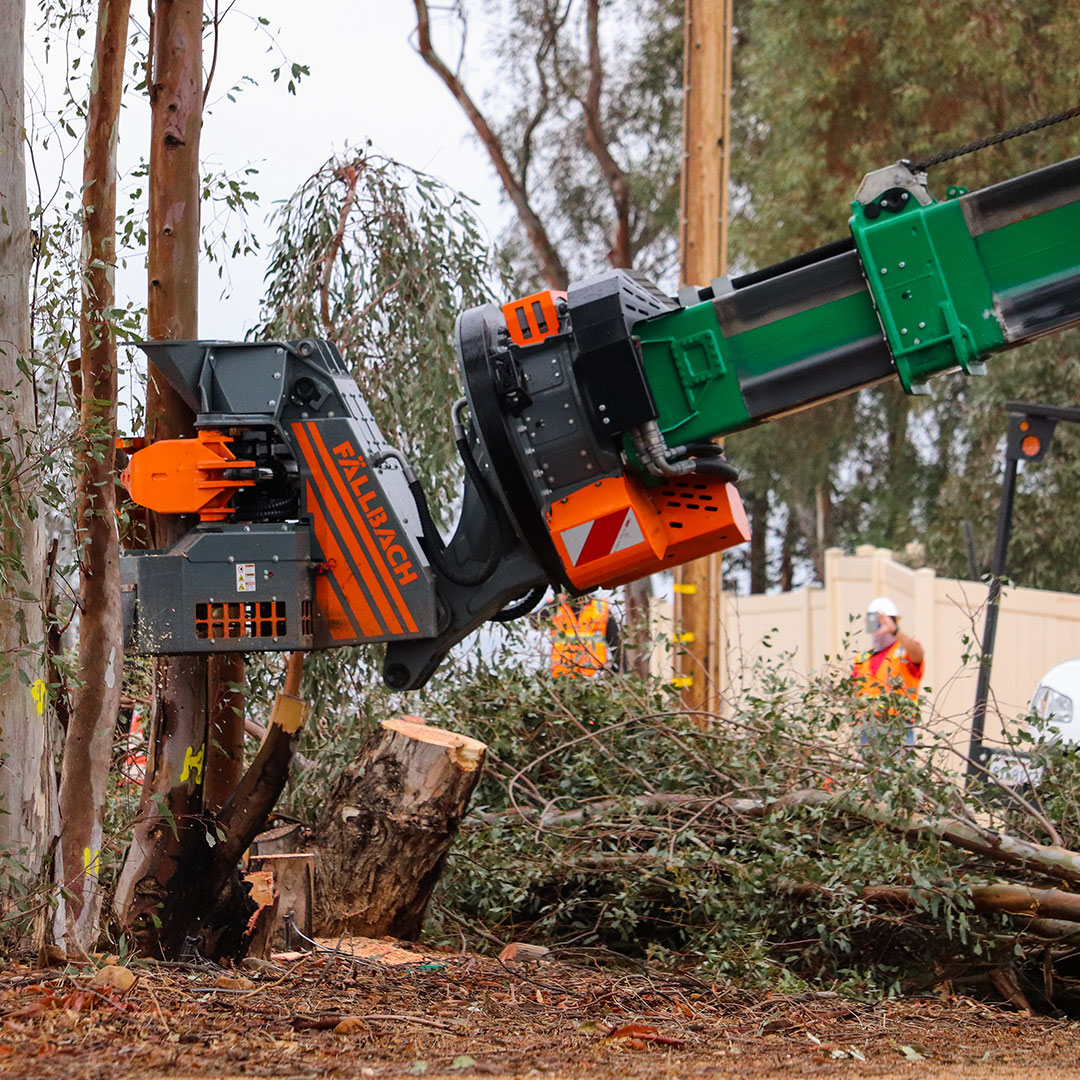
Match tools to the canopy, fiber, and lean; build redundancy where failure would bite. For suburban driveways, pad pavers with cribbing tree removal and lay ground mats where loader paths might rut. Sharp chains, fresh bars, and spare wedges beat heroics. Stock throw lines, friction savers, and rigging rings sized for the heaviest picks you expect. When wind gusts spike, a heavier lowering device buys control. Keep rescue gear ready, labeled, and reachable under 30 seconds. Paperwork counts: utility locates, HOA messages, and city rules cut friction.
Document pre-existing damage with two angles per feature, then share the album with the client. Print tool check steps and stick them on the truck. Confirm chain brake function and choke points for tie-ins before ascent. For bucket work, test all motions near the ground first. Keep a printed rigging chart in the toolbox to match rope and hardware. Carry spill pads and trays to shield the drive. These small moves keep trust high and downtime low.
Sequence the work and pace the crew for smooth days
A tight sequence shrinks risk and noise windows. Start by clearing understory and low limbs tree removal then set toss lines and judge anchor strength with a light test. Cut brush to consistent lengths for faster feeding. Assign radios and confirm a simple lexicon: hold, lower, stop, clear. If a neighbor needs driveway access at noon, plan a pause. In tight cul-de-sacs, pivot heavy picks to midday when traffic dips. These pacing choices turn chaos into calm progress.
Use a countdown before each weighted move so eyes lock and hands are free. One voice calls motion; the team echoes the command. Keep the chipper fed steadily, not in bursts, to save blades and nerves. When a surprise split appears, halt, pad the area, and re-rig lower. Mark spent wedges and dull chains for swap at set breaks. The best day feels boring because nothing breaks.
Manage hazards and reduce risk with disciplined controls
Risk control starts before the saw starts; it also resets after every pick. Run a 30-second huddle after each major move tree removal then confirm escape routes and hands-free zones. Use taglines to steer swing and absorb rebound. Pad striking hazards like air conditioners with plywood and moving blankets. On decayed ash, expect splits and add generous relief cuts. When birds or bees show up, step back and reschedule with dusk or dawn windows. Steady checks turn scary moments into routine work.
Measure twice before face cuts; match hinge thickness to fiber and lean. If bark peels, score a shallow kerf to stop tears. Keep hands out of bights and eyes on the high piece until it stops. For storm-torn crowns, assume hidden tension and ease load with staged releases. When the plan fails, freeze motion, circle up, and rewrite. Cool heads and short words beat adrenaline, every time.
Restore the site, protect soils, and plan aftercare
The job is not done when the last round hits the bed. Backfill divots with topsoil tree Removal then broom, blow, and rinse until the hardscape reads clean. Grind stumps to the depth agreed, then rake chips smooth. In wet lawns, float plywood to spread loads when hauling chips. If sprinklers are nearby, flag them and hand-dig. Seed thin spots with a quick-start blend and light straw. Clients remember the clean finish more than the saws.
Plan follow-up touches: a photo update tomorrow, a soil check next week, and a call after the first rain. Offer simple care notes on watering and soil firmness. Where shade changed, suggest moving tender plants and resetting timers. Re-edge beds that slumped during traffic. If storms are due, lay straw wattles to hold chips. Start strong, end stronger, and goodwill multiplies.
Conclusion: When you align scope, tools, timing, controls, and cleanup, the work feels calm and finishes clean. These five moves build a reliable pattern you can repeat in driveways, courtyards, and tight alleys. They cut noise, avoid damage, and keep schedules on track. Put them together once, and you’ll have a clear path for the next tree removal, no matter the site.
Topics:
tree removal