Categories
on 21. August 2026
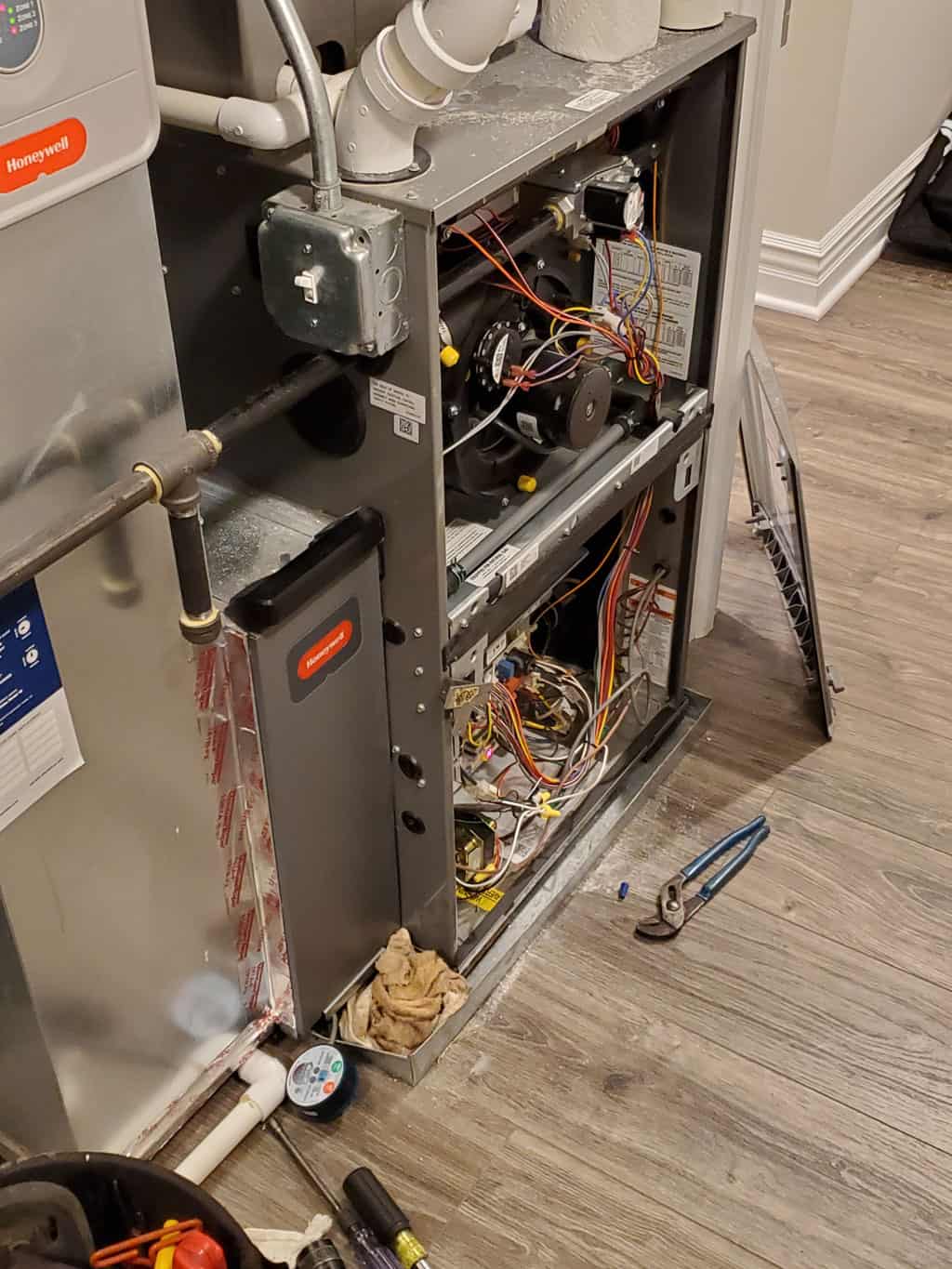
When the first cold snap hits, small issues in a heating system can snowball fast, which is why a quality-first approach matters. If you’re searching fast, you might type furnace repair near me and hope for luck, but thoughtful prep beats panic every time. A repair done thoroughly starts with clear scope, clean diagnostics, and honest trade-offs that align with your home and budget. We’ll walk step by step from inspection to warm air so you can plan with calm. Expect examples from small condos, older bungalows, and light commercial spaces to keep things practical. We put safety and long-term reliability ahead of speed, then show how materials, schedule, and care all fit together. With simple checks, tight workflow, and transparent pricing, you get heat that holds when winter hits.
Set precise scope and cold-weather timing for reliability
Strong outcomes begin with a scope that details symptoms, system age, and service history, then matches timing to weather realities. Furnace Repair Alexandria List concrete facts like "no ignition after two tries," "blower squeal on startup," or "heat cycles short under 5 minutes." It speeds root-cause work and cuts guesswork. For a 1970s ranch, aim inspections ahead of the first freeze, and add a backup heat plan for overnight waits. When deep cold is coming, prioritize safe ignition and airflow first.
Map decision checkpoints: diagnosis, quote, approval, and after-repair verification. Put them on a one-page brief everyone can follow. Include owner tasks like clearing a path to the furnace, securing pets, and noting breaker locations. For multifamily buildings, notify neighbors about short blower tests. A small plan cuts risk and speeds resolution without rushing.
Choose reliable parts and safe materials for durable fixes
Your parts list should lean on OEM or cross-verified components, proper gauge wiring, and rated sealants built for heat and time. furnace repair alexandria For a cracked igniter, an OEM replacement plus dielectric grease and proper handling limits future stress. Swapping in mismatched parts risks new failures. On an older unit, draft in a new flame sensor with manufacturer-specified standoff height to prevent soot fouling. Add a clean filter to support even burn.
Combustion and venting sealants must be temperature-rated and compatible with flue materials, whether galvanized, PVC, or lined masonry. Wrong sealants off-gas and fail early. For control boards, protect against static with a wrist strap and bag handling, then tighten all low-voltage lands to torque by feel and meter. Document lot numbers and warranties so any early defect gets handled without drama.
 Orchestrate efficient workflow and doable scheduling to minimize downtime
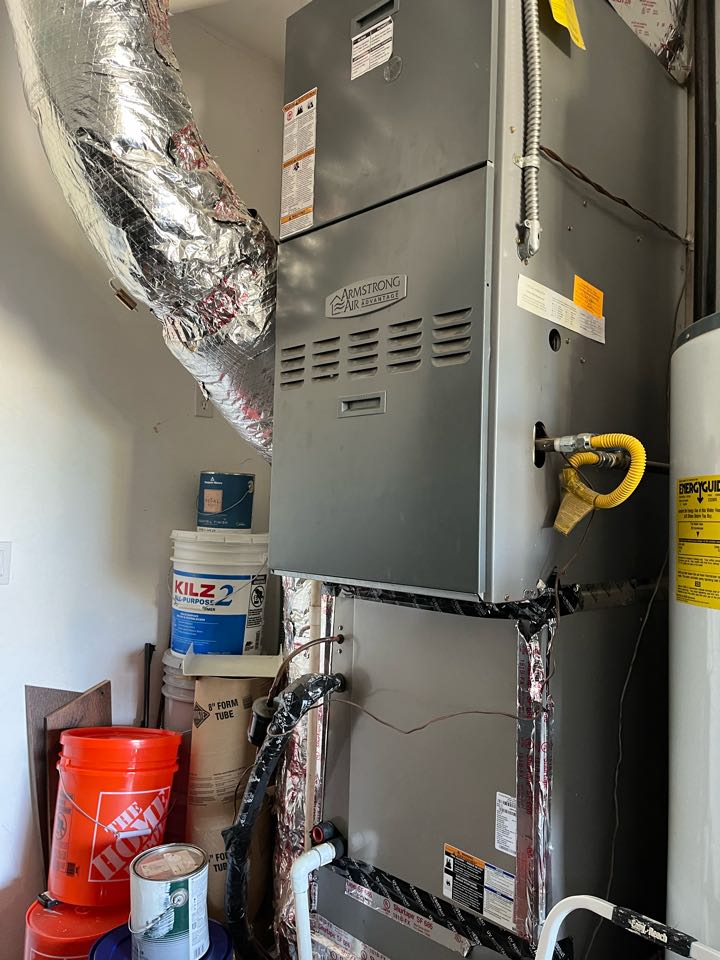
A right-sized schedule stacks tasks by location and heat dependency, cutting no-heat time in lived-in spaces. furnace repair alexandria Start with no-heat diagnostics, then ignition repair, and finish with airflow balance when the home is busy. In a daycare, run loud tests during outside time. Batch supply runs to avoid wasted trips, and block final verification so heat is confirmed before sign-off.
Use a shared checklist: meter readings, flue draft, inducer amps, flame signal millivolts, and supply/return delta-T. Jot results so the picture is clear. If a reading is borderline, plan a follow-up visit within 24 hours to confirm stability under weather swing. This buffer reduces late-night emergencies and keeps the space stable when temps dip.
Control hazards and verify performance with practical field tests
Risk control starts with combustion safety: verify gas pressure, confirm tight joints, and test CO at start and under full burn. furnace repair alexandria Measure flame signal with a meter, not just eyes, and compare against the manual. On rentals, test limits twice to catch intermittent trips. If readings stray, pause and re-baseline before parts get swapped at the problem. No-parts diagnosis beats shotgun replacements.
Quality shows in details: wire routing clear of hot spots, clean burners, and quiet blower wheels. Use vibration sleeves when needed. Verify temperature rise is inside the nameplate band, and listen for whistle that hints at duct restriction. Seal minor leaks with mastic where code allows. A 10-minute heat soak and a 24-hour recheck confirm the fix holds when conditions shift.
Maintain peak performance and plan long-term upkeep across seasons
After the repair, schedule simple maintenance beats: filter swaps, condensate cleaning, and seasonal visuals. furnace repair alexandria For a townhome, pencil in filter checks every 60–90 days; for a dusty shop, halve that. Keep a note on the panel with date and size. Teach occupants to note sounds that change after start-up. Small signals early beat big failures later.
Plan for lifecycle choices at 10–15 years: repair thresholds, efficiency goals, and duct upgrades that unlock quieter operation. Bundle improvements ahead of peak season to capture utility credits and coordinate inspections. Track energy bills after the fix to confirm stability against a weather-normalized baseline. If usage spikes, re-test airflow and gas settings before assuming a new break appeared.
Conclusion A durable, safe heat system comes from clear scope, fit-for-purpose parts, and a workflow that respects time and comfort. Quality checks reduce risk while building trust, which makes future decisions easier. With steady care and smart lifecycle planning, today’s fix supports tomorrow’s savings. The result is warmth that lasts when winter is in full swing.
Topics:
furnace repair alexandria